Author: Anthony Irtelli

  • Family mediation: Helping families in crisis

    Family mediation: Helping families in crisis

    As we embark on another national lockdown we thought it might be useful to re-share what our Family Mediation Service does to help young people in conflict with their families. During the first lockdown we saw a huge increase in referrals, as the pressure of living so closely put relationships under strain. Family breakdown is the leading cause of youth homelessness, which is why this service is so important. 

    ————

    You may have heard the term family mediation before, but what does it mean and how does it link with youth homelessness? Sandy Horvath, Senior Family Support mediation at YMCA Youth Advice Centre (YAC) Brighton explains. 

    I have had the privilege of working at YMCA YAC Brighton for the past three years within the family support mediation team and I work with three very skilled and enthusiastic colleagues.  As a team we work with young people aged between 14 and 25 who present as homeless or potentially homeless due to conflict taking place within the family home.  In addition to young people self-referring we take referrals from our own YMCA YAC housing team, parents, carers, the local Council, Child and Adult social care, Mind the Gap, the Youth Employability Service and other partners.

    What do we do?

    Our primary role is to support the young person and their family through inter-generational mediation, conflict coaching, assertiveness and resilience building. Our core focus is to help young people and their families re-engage and enable the young person to remain in the family home. The family may involve a wide range of relationships, e.g. the young person, their siblings, parents, step-parents, parent’s partners, absent parents, carers including foster parents, grandparents as well as any other significant relationship that may be impacting on the young person and their ability to remain in the home.

    We often find that one part of the family or indeed the young person does not initially want to engage, which is absolutely fine – we’ll then start working with the part of the family who is ready for mediation or conflict coaching to help their relationship improve. Our aim is always to encourage those who are resistant, but always work from the position that family mediation only works if it is voluntary and those involved are ready to give it a try and engage with us by choice.

    What is family mediation?

    In short it is a simple process that allows everyone to hear their own voice and to be heard by those who are important to them. Our role is to help those involved to work out what they what to say and allow them to be heard in a safe and impartial environment.

    To achieve this, we work with individuals over a number of days or weeks until they are ready and confident to come together as a family or with just one other significant person. Through shared conversation we enable them to identify the things that are impacting on each other and seek ways to establish healthy communication, set new boundaries, agree behaviours and find a shared way forward to ensure the young person can remain within the family home.

    During Covid, we’ve seen a significant rise in our referral rates, especially between the end of March through to the summer. Restrictions under the pandemic caused additional burdens and stresses within the family which young people have found particularly hard to deal with, with subsequent conflict resulting in many wanting to leave home, being asked to move out or being evicted without notice.

    With the under 16’s our role is always to enable them to move back home where possible and safe to do so. With the over 16’s, sometimes it’s about looking forward and seeing that home is only a short-term option, in which case we work with them and the family to sustain them in the home until a managed move to an appropriate alternative can be arranged. Even then we are still sometimes able to help them reconnect and develop relationships and communication after they move out.

    Family mediation is not a panacea for resolving family conflict, but it does help a significant number of young people and their families. It is in working holistically with other teams, such as Housing, Support and Advice teams, Tenancy Support and other YMCA YAC Brighton services, that the real strength in what we do comes to fruition.

    Contact [email protected] for more information.

    To support our work could you become a monthly supporter? Click here to find out more.

  • Youth Homelessness and Mental Health Issues: The Impact of Covid-19 on Young People

    Youth Homelessness and Mental Health Issues: The Impact of Covid-19 on Young People

    Family Breakdown, Youth Homelessness and the Link with Covid

    Family breakdown is one of the leading causes of youth homelessness and pressure created by COVID-19 has drastically increased the number of vulnerable young people presenting as homeless in Sussex and Surrey. In addition, job losses, poor mental health and substance misuse, all exacerbated by the Covid-19 crisis, have been contributing factors.  As the largest youth homelessness charity in the South East, at the start of the pandemic (March/April) we saw a significant rise in the number of young people presenting as homeless, with a 61% increase on the year before. 

    The situation eased slightly when the government suspended new evictions during the height of the pandemic. However, worryingly, we continue to see a 20% increase in young people presenting as homeless at our Youth Advice Centre in Brighton and Hove.  Currently, there is still a ban on evictions, however it is unclear how long this will continue. Also, even if a ban of evictions remains in place, the new lockdown measures and the potential for longer winter restrictions will inevitably increase family tension, which is likely to lead to more young people leaving, or being thrown out of, home.  Our Youth Advice Centre in Brighton & Hove usually sees young people seeking help for a range of problems, but, currently, homelessness is by far the biggest issue. 

    Increase in Emergency Youth Homelessness Cases

    The way in which young people are also coming to us is changing. Emergency cases are increasing every week. These are cases where young people have been evicted that day and have nowhere else to go. We support them within our own supported accommodation services where we can, however we don’t have many ‘emergency’ beds. In this instance we spend time advising them and referring them or securing them alternative options.  Where possible, we’ll explore whether there is any way back to the home they’ve left, to repair their relationship with their family or caregivers, via mediation.

    Family Mediation Can Reduce Youth Homelessness

    The dramatic increase in requests for help from our family mediation service is evidence of the pressure many families are under due to Covid-19 both the lockdowns and social restrictions.  For the first time in three years, we are seeing long waiting lists for family mediation. We’ve witnessed an almost 100% increase in the numbers of young people and families requesting mediation in the last five months alone (April – September 2020).

    Even if the young person isn’t able to go back to living at home, just being able to open up the channel of communication with their family can really help them get the ongoing support they need to overcome whatever challenges they’re facing. It can make a huge difference to their long-term prospects for moving on to successful independent living. Below is an example of how the one of our Family Mediators was able to help ‘Conor’ who presented as homeless in March.

    Connor (not real name but real story)

    I’d been sleeping on sofas and with mates, but I’d got to the point of running out of favours and had even started to sleep rough. It was putting pressure on me and my family. I couldn’t go back to my mums as there wasn’t room (she had someone vulnerable living with her) and we just weren’t getting on.

    When we were referred to Sandy (counsellor) at YMCA DownsLink Group, Youth Advice Centre (YAC), I wasn’t sure it would help. But, in fact, it has been the best thing that has happened to our relationship. He gave us the space and time to actually listen and hear each other. Instead of being in conflict all the time, we are a lot more open, calmer and confident with each other. I feel that now I have the support of my mum. Along with YAC, she’s helped me find accommodation and get a plan together to help me get my life back on track.

    YAC and Sandy have had a major positive impact on my life.

    Conor’s situation isn’t unique. We’re seeing an increase in the number of older, young people (20+) seeking help. We know that as young people get older, help and support drops away, strained family relationships become unmanageable and housing untenable. Many ‘older’ young people (20-25) have been adversely effected by the downturn in the economy as they were already working on zero hour contracts, within the sectors, such as hospitality, that have been hit hard by the Covid-19 pandemic.

    Young People and Significant Increase in Mental Health Issues due to Covid-19

    Whilst the biggest issue for young people seeking support is homelessness, we’re also seeing an increase in those seeking support for their mental health. Worryingly, this includes, self-harm, suicide ideation and even suicide attempts. Again, the complex needs of the young people coming to us for support is increasing the pressure on our staff. As well as heavy caseloads, more staff time is required for them to give the attention needed to young people presenting with such difficult and complex issues.

    Our staff at YMCA YAC are also having to deal with a significant increase in the number of young people presenting with neglect, and physical and emotional abuse issues. In the past six months we’ve seen a 45% increase in safeguarding alerts. Most notably, the increase in abuse being reported, is higher in cases of parent/partner/carer mental health issues and domestic violence. This has also increased the workload for our staff as they need to make considerably more referrals to, and work in collaboration with, Adult Social Care, Police, Community Mental Health Teams and GP’s.

    Throughout lockdown, we’ve kept all of our accommodation projects and advice services open and we continue to house over 763 vulnerable young people every night. Within these services we have also seen an increase in referral requests for support with mental health issues in the last six months. Again, we have had more safeguarding alerts than usual and the ongoing strain of coronavirus restrictions on our young people is clear. Many of our properties have had to close their communal areas, which alongside the loss of jobs, and face-to-face educational provision, is leading to many of our young people spending long periods of time alone in their rooms. Our project support workers work everyday on ‘More Than a Room’ activities to ensure that they are not isolated.

    Susie (not real name ), who has lived with us for 2 years, shares her experience of lockdown and how living with us has made a difference.

    During the first couple of months living in supported accommodation, I got my first ever permanent job working in retail. I had this job for almost two years until they shut down their stores due to Covid-19. This was such a downer for me.

    YMCA DownsLink Group have helped me tremendously – with food banks, rent management, social group clubs and one-to-one sessions to talk to a professional about my mental state. They have been there for everything I needed.

    We all take for granted having constant support, until it’s no longer there. It’s a blessing to have someone always look out for you and it makes life that much easier everyday.

    Young People Impacted by Job Losses due to Covid-19

    Another area that has impacted vulnerable young people is access to training, employment and education. Opportunities to move on into college placements and other training opportunities have dried up. Many young people, particularly in transitional housing (ie building skills to live independently) have lost their jobs within the gig economy.  Since March, Brighton and Hove claimants for universal credit aged between 16 – 24 have trebled from 1,000 to 3,000 (Job Centre plus).

    Our region is particularly impacted: there are many fewer vacancies in hospitality, retail and entertainment since Covid and the impact on young people in the Crawley area due to its proximity to Gatwick have been huge.

    The increasingly competitive employment will continue to impact on vulnerable young people as the market squeezes out those without experience, and employers & colleges are less likely to take a ‘risk’ on young people who are not completely switched on and ready.

    Chas Walker, YMCA DownsLink Group, CEO explains what he fears the long-term impact will be on vulnerable young people:

    We have developed our services to provide both an intervention at the point of crisis for young people and their families through our supported housing. Ensuring young people do have a safe place to stay when they are homeless and the opportunity to get back on their feet. But we also focus on prevention through our family mediation work to support families to stay together and young people remain in the family home and our education services helping young people understand the realities of leaving home in an unplanned way. However, after 10 years of government austerity policies, public funding for this work only covers the very basics and we are increasingly dependent on our charities own resources to fund the true costs of being able to provide a comprehensive range of intervention and prevention services.

    Young people’s mental health and wellbeing is also a major concern for us. Restrictive social distancing measures and the reduction in support from external agencies, has had an impact on the emotional wellbeing of residents and other vulnerable young people who reach out for YMCA DownsLink Group support. 

    Mental Health and Counselling Support for Young People

    As well as our supported and transitional housing projects, we also support up to a further 10,000 young people through our mental health and advice services, counselling and youth support projects. These too have remained open throughout lockdown, although many have moved online rather than face to face. We are the largest provider of counselling in schools in Brighton & Hove, and again have seen an increase in the numbers of young people being referred for support with anxiety related issues which started as a result of the pandemic and lockdown. Many are particularly anxious about returning to school, have an increased fear of social situations, and are worried about having fallen behind with school work, after such a long absence from the classroom. 

    During lockdown we launched an online service to help cope with mental health pressures (e-wellbeing), which provides an accessible way for young people to manage their own wellbeing and self-refer should they feel they need more help. But, what is clear is that Covid-19 has created a public health emergency around mental health, and particularly amongst the young, who are likely to face it’s social and economic impact for years to come. All relevant bodies, from government and local councils, to NHS mental health trusts and charities, need to work together to increase the provision for one-to-one counselling and other mental health and wellbeing services. 

    The Future: Reduce Youth Homelessness & Improve Vulnerable Young People’s Life Chances

    As an organisation we are focusing now on delivering and fundraising for specific services to address some of the most pressing issues facing young people in our community. We’ve launched a Room Sponsorship scheme to encourage monthly giving which will enable us to deliver our More than a Room programme for our most vulnerable young people living in 24 hour supported accommodation. We want to expand capacity at our Youth Advice Centre’s both digitally and face to face (where possible) to be able to help more young people in crisis. We also want to be able to increase the number of family mediators we employ, so that we can prevent more young people from becoming homeless in the first place. And finally, we want to tackle head on the issue of more and more young people who are NEET (not in education, employment or training) through schemes like YMCA Positive Placements, which is ultimately the only way that our young people will be able to get onto a path towards independence and fulfil their potential.

    TO HELP US REDUCE YOUTH HOMELESSNESS & GET VULNERABLE YOUNG PEOPLE ON THE JOURNEY TO INDEPENDENCE, PLEASE CONSIDER BECOMING A ROOM SPONSOR 
  • Remembrance Day

    Remembrance Day

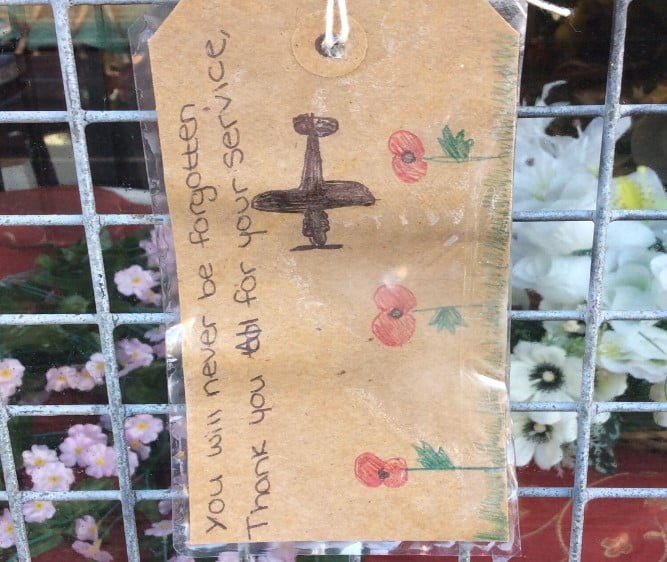
    At 11am on 11 November a two minute silence is observed at war memorials and other public spaces across the UK. The silence is meant as a tribute to those who lost their lives fighting for their country.

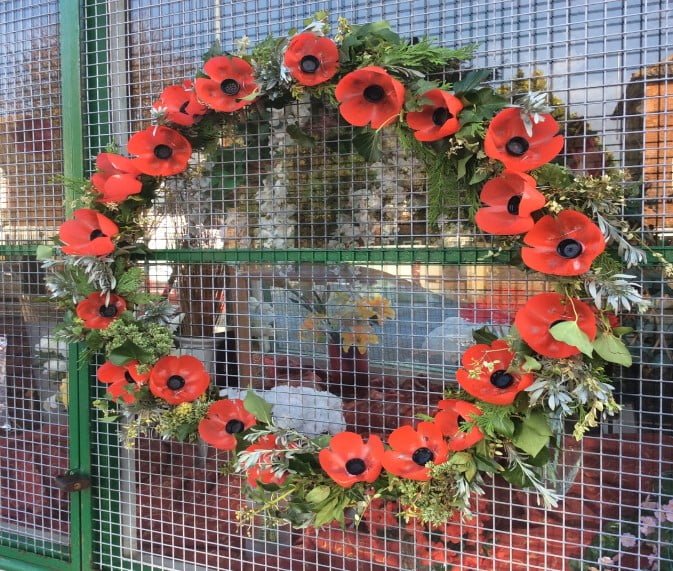
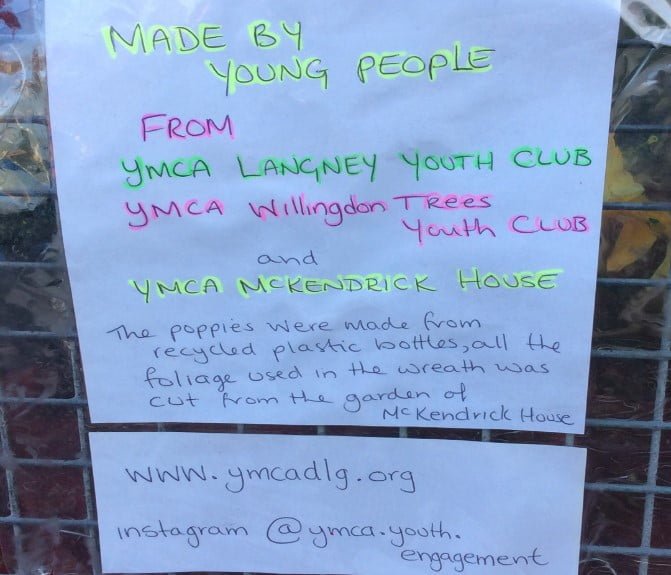
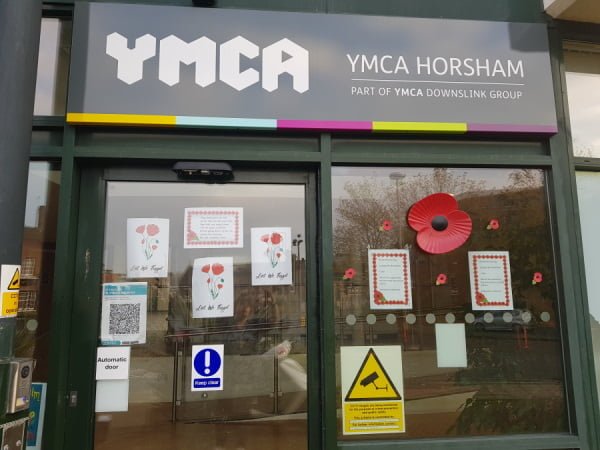
    Residents at McKendrick House, Eastbourne have made wreaths for Remembrance Day. Claire Gordon, our Youth Engagement worker, has been helping residents to make the wreath. This was a joint effort with other young people at Willingdon Trees and Langney Youth Clubs too. The poppies were made from recycled plastic bottles and the foliage was from McKendrick house garden.

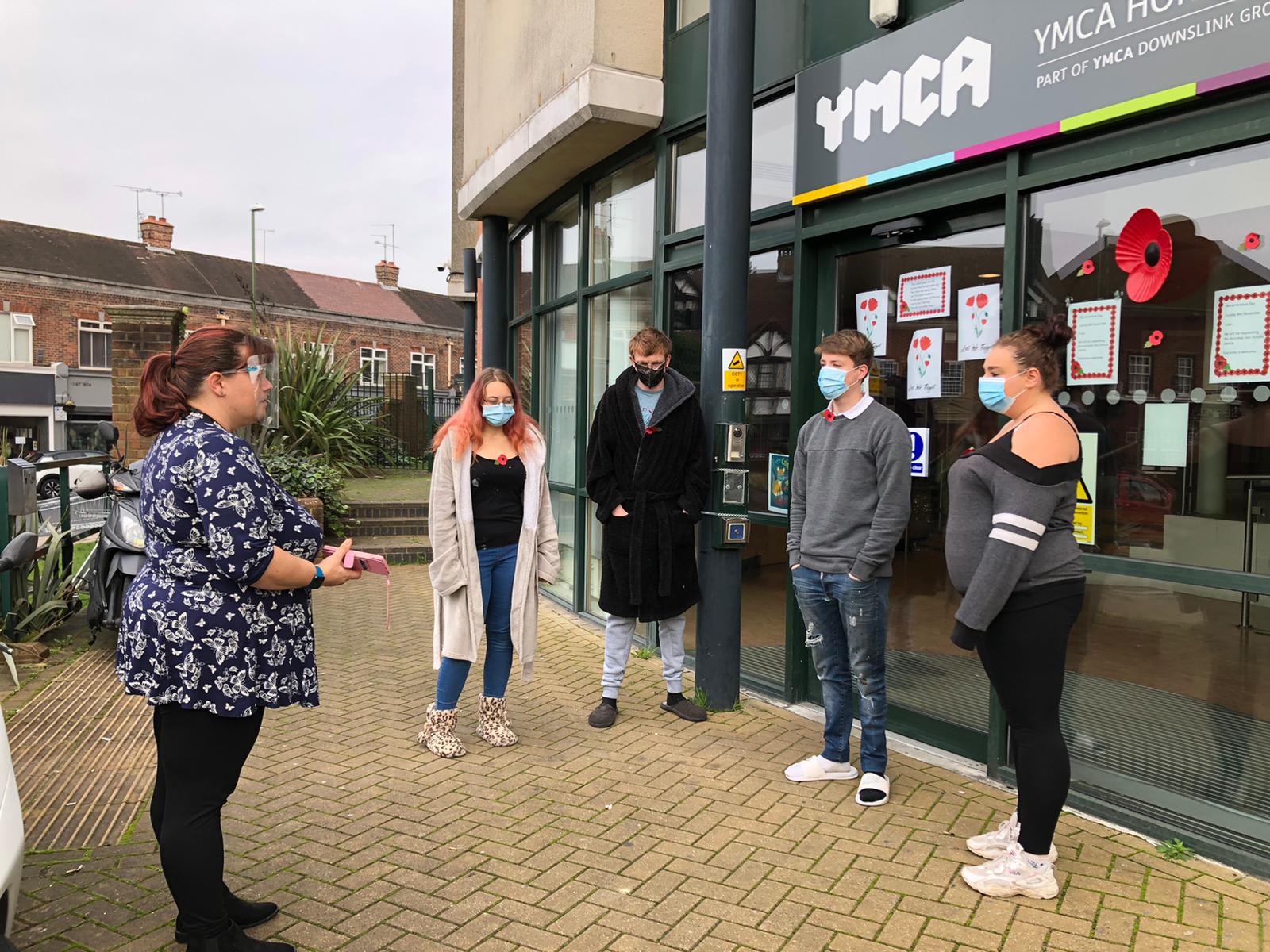
    On Remembrance Sunday residents from Horsham Y Centre took part in commemorating the day. They recalled stories from their grandparents about being in the war. The residents spoke of the respect they have for the men and women who are in the armed forces and how we should respect veterans. A full service was conducted with a French horn playing in the background.


  • Well done to our amazing young person Josh!

    Well done to our amazing young person Josh!

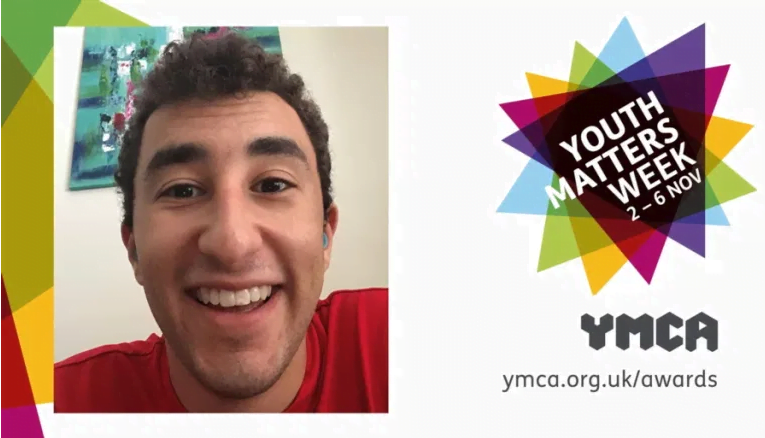
    One of our incredible YMCA Right Here volunteers, Josh Mustafa, has been featured in this year’s YMCA’s Youth Matters Week (2-6 November), which recognises exceptional young people who have overcome significant obstacles to make a real difference to their lives and their community.

    To comply with government guidance and for the safety of everyone, YMCA England & Wales made the tough decision to cancel 2020’s Youth Matters Awards – an annual celebration of the achievements of young people, staff and volunteers. However, they still wanted to acknowledge the incredible accomplishments of the young people we work with, hosting a Youth Matters Week instead.

    Josh, 18 and from Sussex, is one of just 10 extraordinary young people selected to be featured in Youth Matters Week in recognition of his incredible journey and achievements.

    Just one year ago, he was receiving counselling from YMCA Dialogue services to help improve his mental health. Since then, he has found his strength in working to help improve the mental health and wellbeing of other young people. Josh is one of our YMCA Right Here volunteers, on a mission to improve the health and wellbeing of young people across Brighton and Hove and beyond.

    Josh has been involved in countless YMCA Right Here projects including Young Healthwatch research exploring BAME young people’s experiences of Sexual Health Services, Shape My Future street consultations, YMCA Right Here social media campaigns on #BlackLivesMatter, news articles for YMCA DLG, local youth councils and meeting local and national MP, Caroline Lucas, to discuss some of the key issues facing young people at the moment.

    As COVID-19 and lockdown hit and we all had to adapt to moving online, Josh brought his passion and positivity to every online YMCA Right Here volunteer meeting. Josh created video clips and Instagram stories to help other young people ‘stay healthy’ during the lockdown. He is also currently hosting his own podcast, interviewing other young people on relevant themes, such as the role of key workers in the Mental health sector and writing his own blog talking everything ‘Healthy Relationships’.

    Josh’s creativity, kindness and dedication to helping others helps ensure the success of the YMCA Right Here program.

    On being selected for Youth Matters Week, Josh said:

    “It’s just been an amazing year and an absolute pleasure to work with the most amazing, empowering and inspiring young people who have all brought something unique to the group and I’m just glad to have been part of that. It’s truly something unique and amazing. I can’t even begin to thank everyone at [YMCA] Right Here enough because everything they have done for me and allowed me to do as an individual has been life changing and to have been nominated for this award means a lot to know how appreciated I am by the team.”

    Gemma Doughty from YMCA DownsLink Group continues:

    “In just eight months, Josh has made an outstanding contribution to the work of YMCA Right Here. Josh not only says yes to opportunities, but whatever he is taking part in he puts his heart and soul into it and inspires others to do the same!

    “His creativity, kindness and dedication to helping others is phenomenal and we are so grateful for everything he has done for YMCA Right Here so far!”

    A huge well done to Josh!

    You can read the other young people’s stories here: www.ymca.org.uk/about/awards/youth-matters-awards-youth-matters-week 

    You can find out more about YMCA Right Here here: www.ymcadlg.org/what-we-do/support-and-advice/right-here 

  • Sleep Easy 2020: Completed!

    Sleep Easy 2020: Completed!

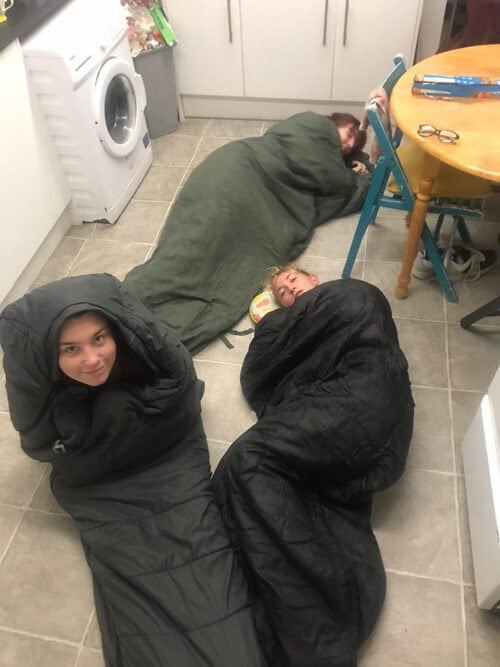
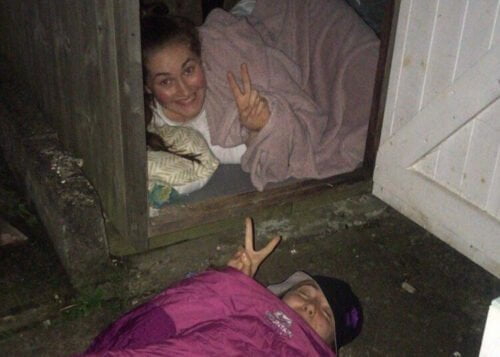
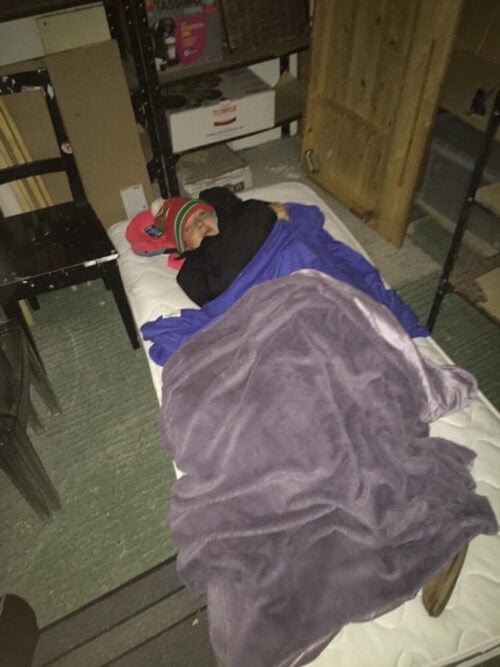
    It may have taken a few twists and turns along the way, but Sleep Easy 2020 finally took place on Friday 9 October, raising £35,000!

    A restyled Sleep Easy

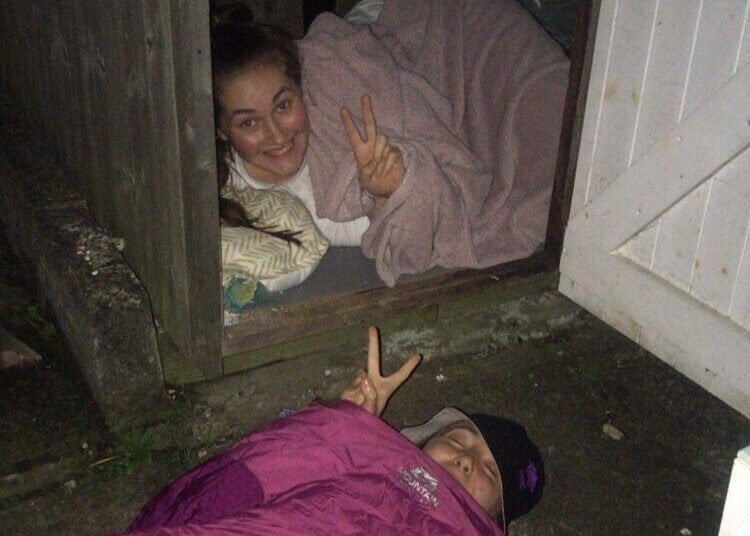
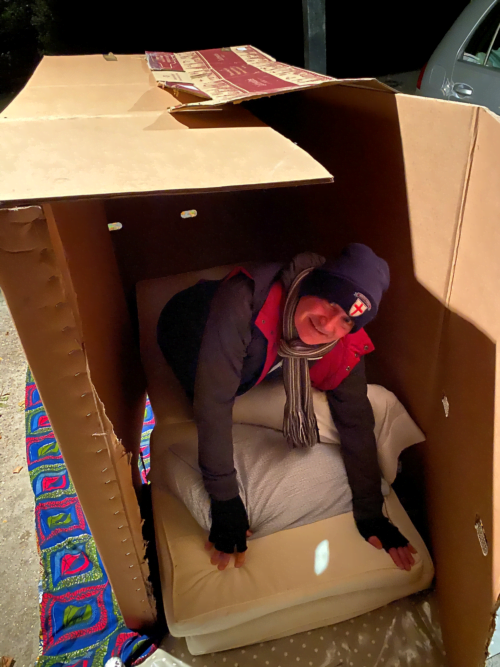
    Originally scheduled for March this year, we had to postpone and reformat the event entirely due to coronavirus and restrictions on movement. This led to it being our most accessible event yet, asking participants to spend one night sleeping anywhere but their bed to raise money through sponsorship to tackle the causes of youth homelessness.

    It was also open to all ages for the first time – with over 100 children signing up (including our youngest participant – a three month old baby!).

    Elvis Presley, a Detective Dog and fire dance

    Our fun-filled virtual evening went ahead with no major tech hiccups! We had an incredibly enthusiastic Elvis Presley, bedtime stories from Floella Benjamin and Julia Donaldson and handed the mic over to some of our young people to share their experiences directly. You can here from Jack below:

    There were also brilliant live sessions from our family mediation and mental health teams- giving supporters the opportunity to hear directly from staff about the youth homelessness prevention work we do. We also uncovered a hidden talent from our resident chaplain/fire dancer Samantha! Check out her impressive fire dancing here.

    You can still get involved

    Thank you to everyone who has so far supported Sleep Easy – we have been heartened to see the response from our local communities.

    You can still help tackle the causes of youth homelessness by donating here – every single £ makes a difference. Thank you.

  • The e-wellbeing Podcast

    The e-wellbeing Podcast

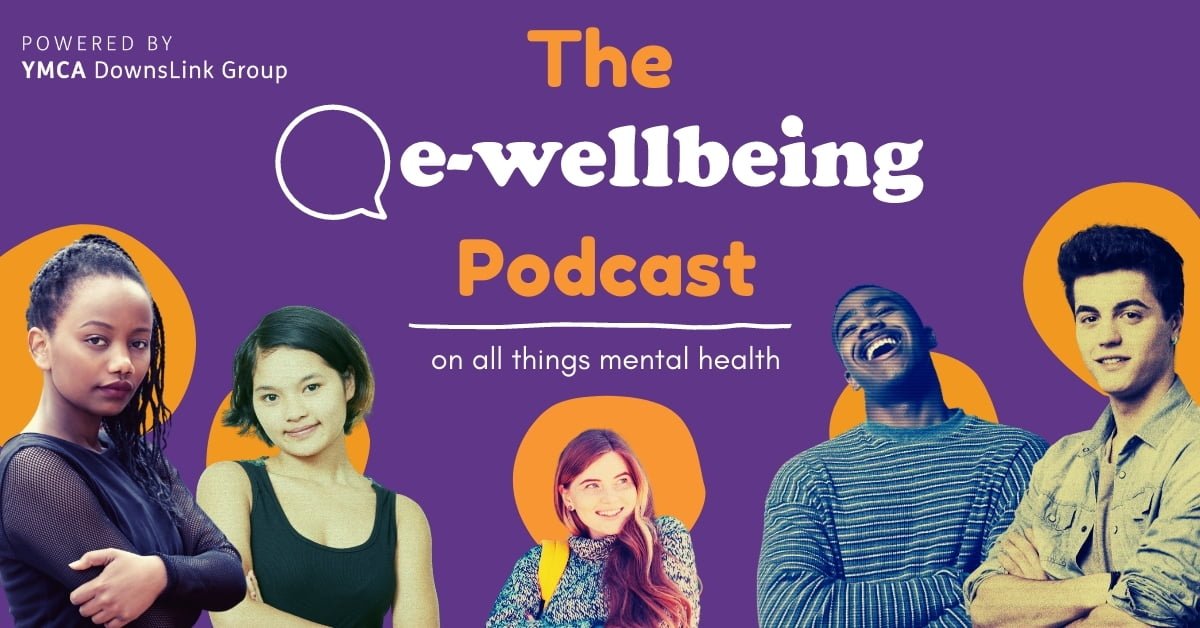
    A brand new e-wellbeing podcast focusing on all things mental health is now live.

    Brought to you by the digital team at YMCA DownsLink Group, e-wellbeing is a digital wellbeing service that provides young people with tips, ideas and easily accessible support for their mental health and wellbeing.

    At a time when everyone is adjusting to a ‘new normal’ and the threat of lockdown measures potentially being reintroduced, young people are experiencing unprecedented change to life as they know it. Being placed into school bubbles, exam uncertainties, the #BlackLivesMatter movement, university tuition fees and much more – all have an impact on their mental health and wellbeing.

    Research suggests that young people are turning to digital platforms like social media, podcasts and vlogs for quick and easily accessible mental health advice and support. Also known as the digital generation, they are growing up connected to the world around them through smartphones and digital devices and are actively exploring these platforms for diverse sources of information whilst wanting their voices to be heard. Cue the e-wellbeing podcast!

    Each monthly podcast episode of e-wellbeing’s new podcast features interviews with experts and leading mental health professionals on social issues impacting young people’s mental health and wellbeing.

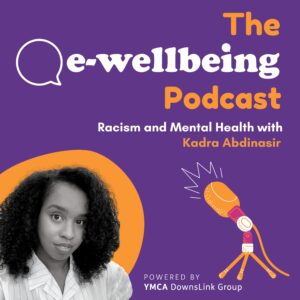
    In light of the #BlackLivesMatter movement, e-wellbeing’s first ever podcast featured Kadra Abdinasir, Head of Children & Young People’s Mental Health from the Centre for Mental Health. Hosted by e-wellbeing’s digital team, two of our young people (Emily and Josh) asked Kadra for supportive advice when dealing with racism online and in school/the workplace. Here’s a snippet of what Kadra had to say…

    “Young people from Black and Ethnic Minority backgrounds report positive experiences when accessing online support compared to traditional support. They do tend to find online provision is more beneficial for them.”

    “It’s really important that you do speak to somebody as it will help you manage those daily difficulties that all of us can experience before it becomes more serious. Seeking support can help you feel a lot more empowered and taking charge of your own mental health.”

    “It’s touching to see so many young people involved in the #BLM movement and really want to see change happening fast. I would encourage you to try and remain hopeful.”

    To hear more from Kadra and the full podcast click here to have a listen and here for #BLM resources featured on the e-wellbeing website.

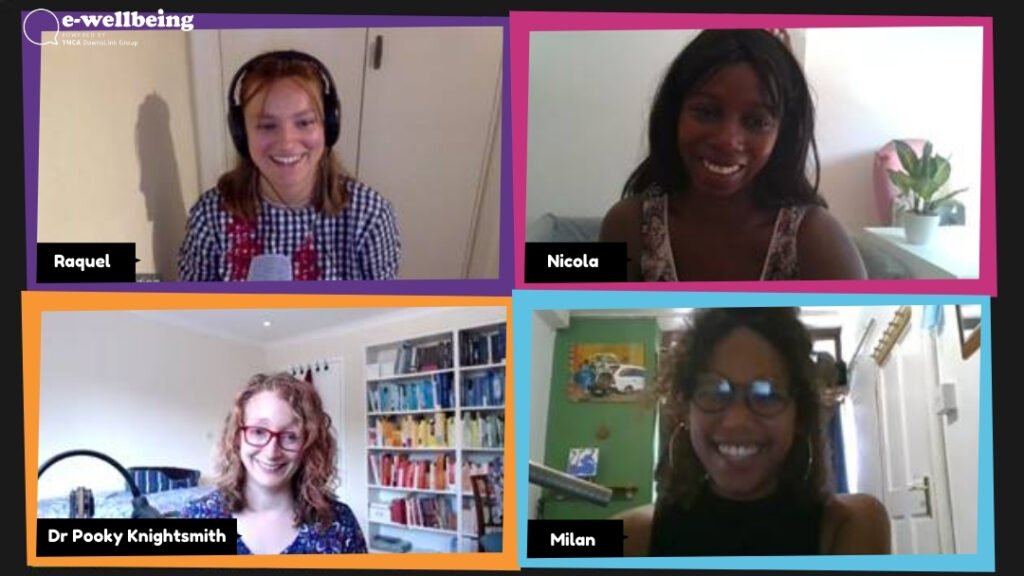
    The next episode of e-wellbeing’s podcast will be on Lockdown Life with the infamous Dr Pooky Knightsmith – a specialist in child and adolescent mental health and emotional wellbeing. An educator, speaker and author of several books on mental health, Pooky will provide insightful tips and strategies to young people on how to survive the uncertainties of lockdown and getting back into routines. Keep your eyes peeled for an announcement in October.

    Further episodes of the podcast will be on Social Media, Youth Homelessness, Peer Pressure and much more! The e-wellbeing podcast is accessible on most formats including smartphone apps, where you can subscribe and leave a review.

    If you have a question from a young person for a future episode of the podcast or would like to find out more about any of YMCA Dialogue’s digital therapy platforms, please contact [email protected].

    By Nicola Harvey, Digital Wellbeing Development Lead www.e-wellbeing.co.uk