Author: Debbie Watkins

  • Ex-resident Millie is giving back this Christmas

    Ex-resident Millie is giving back this Christmas

    We recently caught up with one of our former residents Millie, who has been rallying together her local community to collect donations for young people living in our supported accommodation this Christmas.
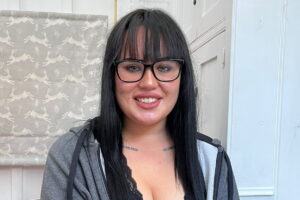
     

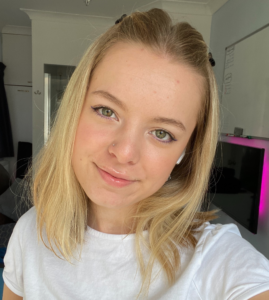
    Ex resident Millie smiling at the cameraMillie had a difficult childhood which impacted her mental health and resulted in her leaving home at just 16. She was given a home in our 24-hour supported accommodation and life began to improve when she received the wraparound care and consistent support she needed. We helped Millie repair her relationship with her family and eventually to move back in with them. She’s now come full circle and wants to give back to YMCA.

    She tells us more below:

    I was in the pub when I came up with the idea of donating boxes of gifts to YMCA. I saw something about the Love in a Box campaign which happens every year at YMCA and I thought, if I received a box full of goodies at Christmas while I was living there, it would have made my year. It would have given me that little bit of faith in people and humanity. I thought, I could do that. I came up with the idea and then started doing it, putting it on Facebook and asking for donations. People are coming together for it, dropping off bits and pieces.

    There’s a craft house down the road from me and I’ve spoken to them and they’re all making personalised Christmas cards for each resident so it’s a bit more special than just the box of gifts. The community have been great, rallying around it all.

    I want to give something back to YMCA because of how much they helped me. When I had literally nothing, they were the ones that gave me everything.

    If it wasn’t for their support, anything could have happened. After everything that they’ve done for me, I just wanted to give back.
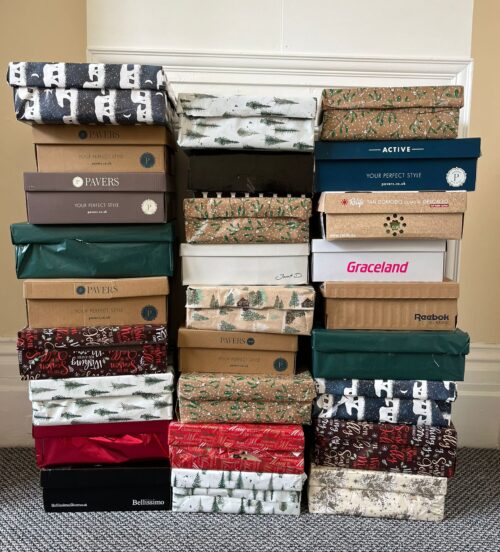
    The boxes that Millie donated, all wrapped up in Christmas wrapping paper. Each is filled with essentials and treats for our residents this ChristmasEarlier this week, Millie dropped off her boxes, each filled to the brim with goodies and wrapped up with a card. It was really special to see a young person spend so much of their own time and efforts to make other people happy. The boxes will be shared out across our various housing projects, including where Millie used to live.

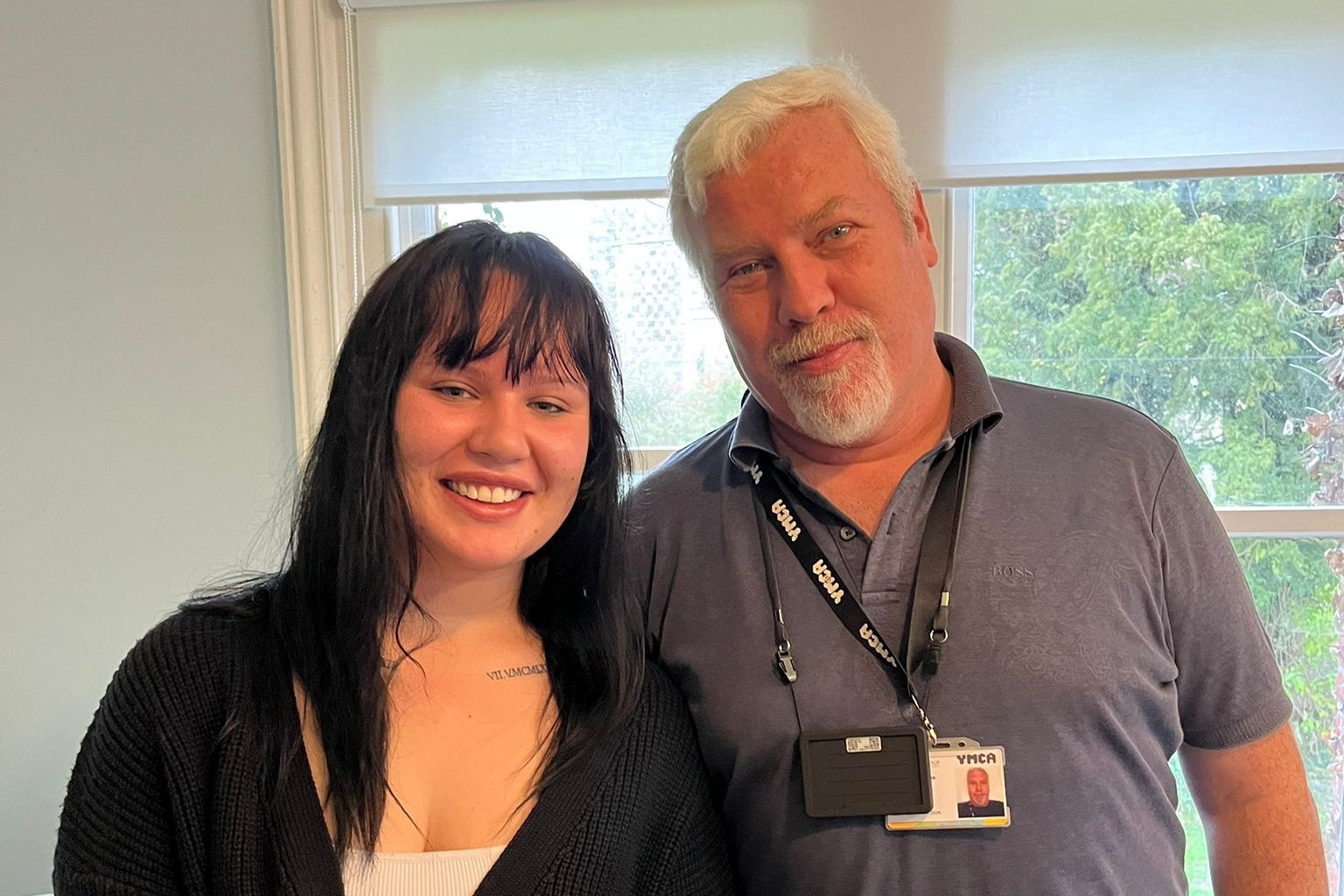
    Millie was also reunited with her old Project Worker, Eammon (pictured at the top of the article). It was heartwarming to watch Millie talk about the great things she’s achieved since moving out of YMCA, including working two jobs, travelling solo across Europe and living independently. She also gave a card and Christmas gift to Eammon to thank him for everything he did for her when she lived at YMCA.

    Eammon told Millie:

    What you’re doing here is truly Christian. It’s what the YMCA is meant to be doing. You’ve absorbed our values and are doing it without even realising. That’s what it’s all about, just being there for other people, showing people love. It’s nice to be nice.

    I’m so happy that you’re doing so well. I often look back on quiet days and wonder what’s happened to people who have left YMCA and you’ve crossed my mind a few times but knowing that you’re doing so well makes me really happy. That’s the biggest gift I can receive. Well done you for sorting everything out, I can only say things but it’s you who can choose to listen and act on them. It’s all your hard work. You’ve done it and you’ll keep doing it. I’m very proud of you.

    We’re so grateful to Millie for all her kind efforts. She is a shining example of how the right support can transform a young person’s life. Millie’s gifts will make our residents’ Christmas days extra special and reminds us all of the power of kindness. We can’t wait to see more from Millie next year as she takes on our YMCA skydive in March! Click here to read her full story.

    Cost of living crisis - make a difference to the life of a young person today by donating

  • Looking back at our young people’s stories from 2023

    Looking back at our young people’s stories from 2023

    As 2023 is slowly coming to an end, we’ve pulled together a compilation of young people’s stories from across the year to show the difference we can make.

    While every story is different, there is a common theme of resilience, determination and bravery. With our support, each of the young people below has overcome significant challenges to get to where they are today. By donating to us and sharing our content, you’ve also played a part in transforming their lives. Scroll down to read each of their inspiring stories…

    Mollie’s story

    Mollie, Dialogue client who shares her story. Mollie is a young person who used our services“I am proud to say now, post-counselling, that I feel empowered, prepared and able to live my life to the absolute fullest.”

    Mollie was struggling with anxious thoughts that were taking over her life and stopping her from being independent. She felt stuck and constantly feared she was in danger. When Mollie started seeing a YMCA Dialogue counsellor, everything started to change. Mollie was supported to overcome her anxiety and gain control over her life. She’s regained her confidence and is looking forward to travelling and going to university.

    Read Mollie’s full story here. 

    Ben’s story

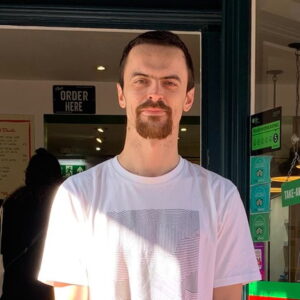
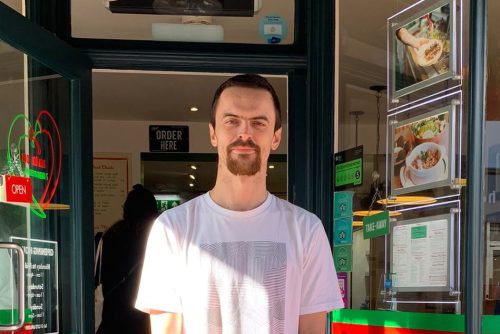
    Ex resident, young person, Ben standing smiling at the camera outside a cafe“I was in such a dark place. I spent so many years wanting to kill myself, I couldn’t see happiness and thought there was no hope. But then the lovely people at YMCA gave me a nice home to live in and a safe space.”

    Ben had a difficult time growing up and was thrown out of home at just 15. He ended up in a hostel with adults which impacted his mental health. Through the perseverance of a teacher, Ben was given a home in our 24-hour supported accommodation and life got better.

    Read Ben’s full story here. 

    Nader’s story

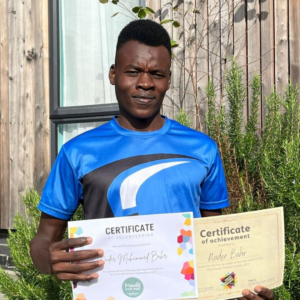
    Nader, one of the young people living in our supported housing. He is smiling holding up two certificates“My advice to someone who is moving into YMCA is… don’t be afraid for anything. You come and meet new friends, they will all be your family. We can support each other.”

    Nader left his home country when he was just 14, and after a difficult journey he arrived in the UK as an unaccompanied asylum seeking child. Nader was given a home at YMCA DownsLink Group and was supported to learn English, attend college and take part in lots of activities. Nader has a strong desire to help other people and has been volunteering for a food kitchen for months.

    Read Nader’s full story here. 

    Alysha’s story

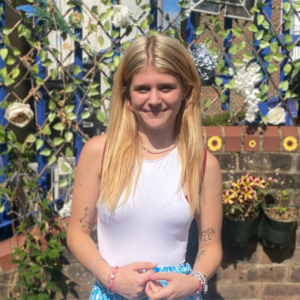
    Alysha, a young person we supported. She is stood in the garden smiling against a flowery wall“I’ve changed a lot since moving into YMCA. I’m a lot more open with people and I’m a lot better at talking about my feelings. I didn’t even think I was worth listening to. But now I know I am and I love myself now.”

    Alysha had a difficult childhood, full of arguments and tension, which led to her battling with her mental health. Thrown out with nowhere to go, she sofa surfed at friend’s houses until she was given a home with us. With the support of YMCA, Alysha has turned her life around. She’s grown into an independent, determined young person who’s about to start university to train as mental health nurse.

    Read Alysha’s story here.

    Dee’s story

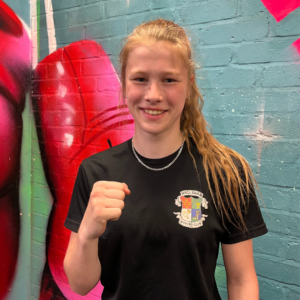
    Dee, a young person in our care. She is smiling holding up a fist in her boxing gym“Since being at YMCA, I have learnt to build relationships, I have matured, I can problem solve and I feel that I am more independent.”

    Meet dreams of being a champion. She wants to represent Britain as part of the GB boxing team and win medals. Despite facing many challenges as a teenager, with the support of YMCA DownsLink Group and Hailsham Boxing Club, she’s thriving and is working hard to turn her dreams into reality.

    Read Dee’s full story here. 

    Josh’s story

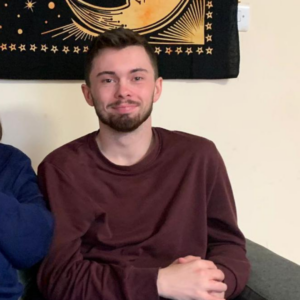
    Josh, one of the young people who lived in our supported houses, he is sat on the sofa smiling.“I’m really thankful for what the YMCA have done and how they’ve helped me progress as a person. For anyone my age facing something similar, the YMCA is definitely the place to go.”

    A year ago, Josh was facing homelessness. He was having trouble at home and didn’t get on with his parents. After moving into our supported accommodation, he took every opportunity he could to help others in a similar situation.

    Read Josh’s full story here. 

    Mapalo’s story

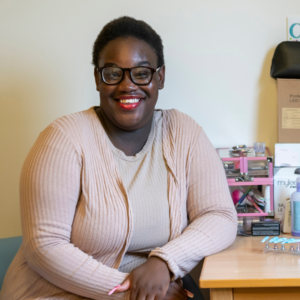
    Mapalo, one of the young people that lived in our supported accomodation, smiling in her room“YMCA is a family. I have been given a safe space, it’s so much more than just a roof over my head.”

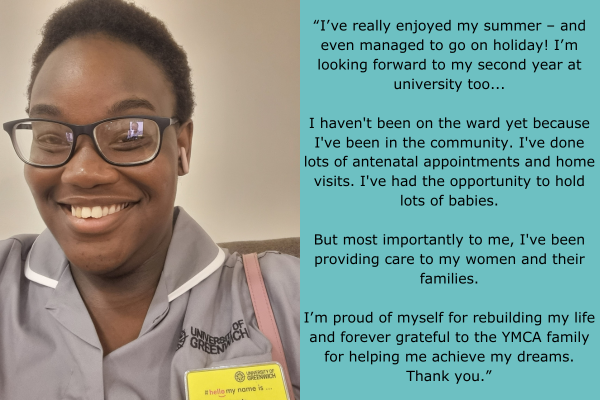
    A heart attack permanently altered Mapalo’s mum’s personality. Forced to go to school with a suitcase full of her belongings, Mapalo would present herself as homeless. Things changed when she turned 18 and was given a home at YMCA. Our staff did all they could to help her achieve her dream of becoming a midwife.

    Read Mapalo’s full story here. 

    Cost of living crisis - make a difference to the life of a young person today by donating

  • Roundtable event brings sector together

    Roundtable event brings sector together

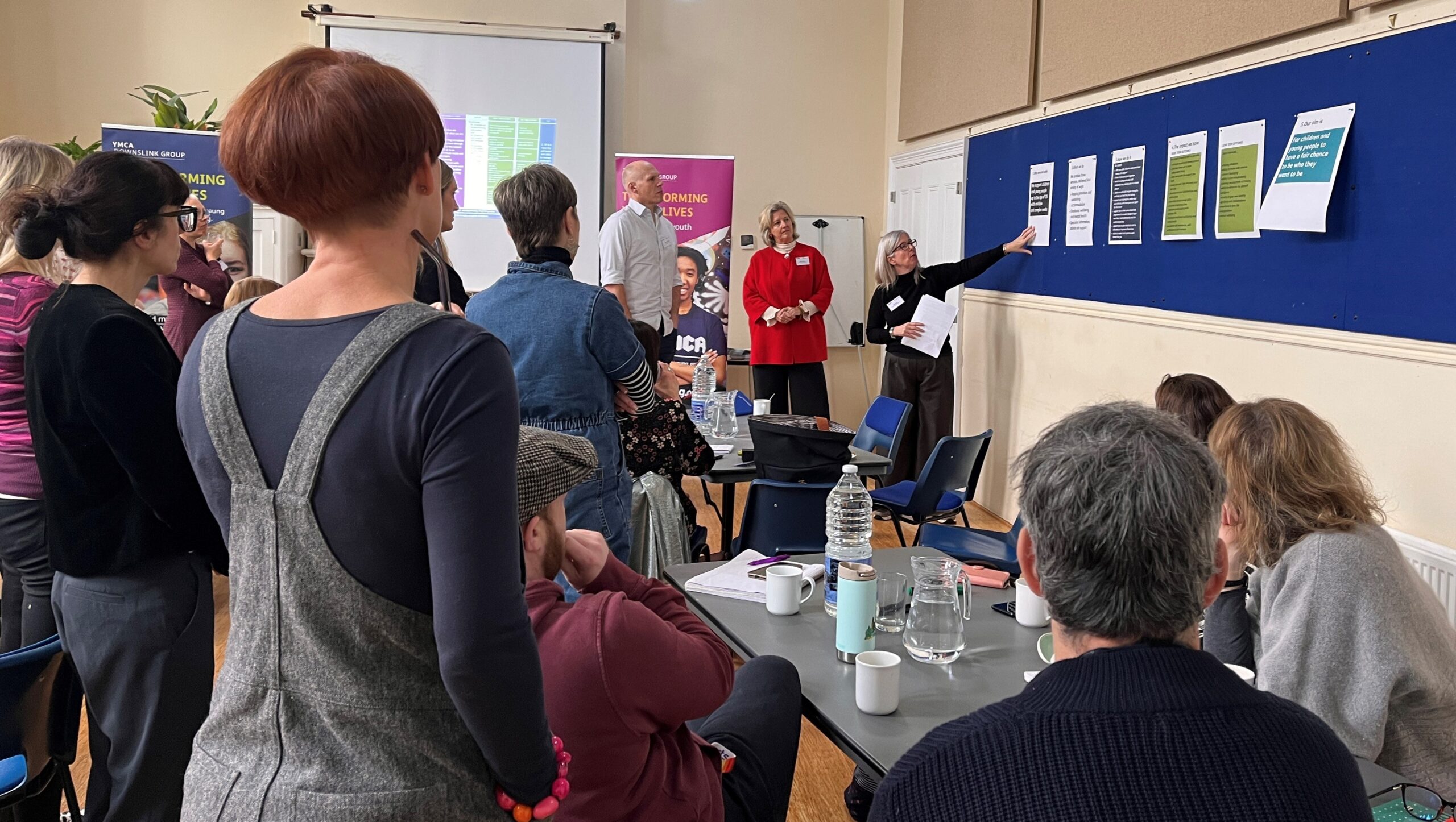
    “You can’t put children and young people in petri dishes,” is not a phrase you hear every day. But it’s a striking image, that captures the challenge of how to effectively evaluate the impact of our work with children and young people.

    Delivering and measuring positive outcomes for children and young people was the subject of our first Roundtable discussion event on Monday 27 November. We were delighted to be joined by a wide range of partners, commissioners and sector colleagues from across Sussex and Surrey representing all the areas in which we work, including housing, mental health, specialist advice and youth work.

    The discussion was led by Professor Kaz Stuart, from the Centre for Youth Impact, who gave a thought-provoking presentation on the history and evolution of evaluation, what evaluation and evidence really are, and what current, best and future practices might look like. (Slides available to download HERE).

    Breakout sessions produced interesting discussions. Common themes included frustration that evaluation is tied directly to funding, measuring outputs rather than outcomes, a focus on short-term results rather than long-term change and the trend towards using medical models.

    “If you can’t prove it works, you can’t have the money.”

    “Often evaluation is led by funders, but it should be the other way around. We are the experts in the outcomes and should lead on how to evidence it.”

    “Evaluation feels imposed on projects – it feels like it is bolted on and doesn’t fit the work we’re doing.”

    “The medical model of measurement is the bane of my life. It has no bearing on real life with young people. How they change and develop isn’t a linear path.”

    “I’m concerned about the increasing use of ‘control groups’ as a way of measuring outcomes. It can corrupt the process and/or be unethical.”

    Another common frustration was the methodology for collecting evidence. Many talked about ‘survey fatigue’ amongst young people, particularly those in minority groups such as LGBTQ+, or care leavers, who are disproportionately asked for feedback. Many felt that it led to young people disengaging with the service.

    “It isn’t person-centred to continually ask someone to ‘rate’ the service or hand them an evaluation form every time they’ve taken part in an activity. It can make them feel like they’re just a number.”

    Whilst it was clear that there is no easy answer, what came across was a shared aspiration to improve outcomes for children and young people and work more collectively to find ways to improve evaluation and demonstrate impact. There was consensus around focusing on quality to deliver meaningful outcomes and in using participative and co-created evaluation methods.

    The second half of the morning focused on how, and why, develop a ‘theory of change’. Using a case study, it explored how a ‘theory of change’ can ensure a project, service, or organisation can clearly articulate how it will deliver quality outcomes.

    YMCA DownsLink Group has recently been through the process and El Clarke, Head of Quality Compliance, shared insights, learnings and ‘top tips’ on how best to do it.  (Slides available to download HERE). The discussions that followed highlighted the different stages organisations are at. Whilst some are already using one, many are part-way through, and others were inspired to start the process.

    “It is interesting to see how a theory of change isn’t just a repeat of our strategy. Before the session I hadn’t really understood the difference. It’s made me see the value of it and I now want to develop our own.”

    Emily Brock, CEO YMCA DownsLink Group, ended the session acknowledging how powerful it was that the room was full of stakeholders, who share the aim of driving better outcomes for children and young people. She encouraged everyone to write pledges, one for themselves and one offering to help someone else, to hold each other to account, but also to continue the supportive collaboration fostered during the session.

    Emily reflected on Kaz’s presentation and how the phrase, ‘slow down to speed up’ resonated with her and how we might respond to it. Finally, she recognised the value in coming together as a ‘collective voice’ which might have to be prepared to ‘be disruptive’ to drive change and ensure that children and young people, across our region, are getting the high-quality services they deserve.

    For more information or to join our mailing list for future sector events email [email protected]  

  • Youth Matters Awards 2023: celebrating young people

    Youth Matters Awards 2023: celebrating young people

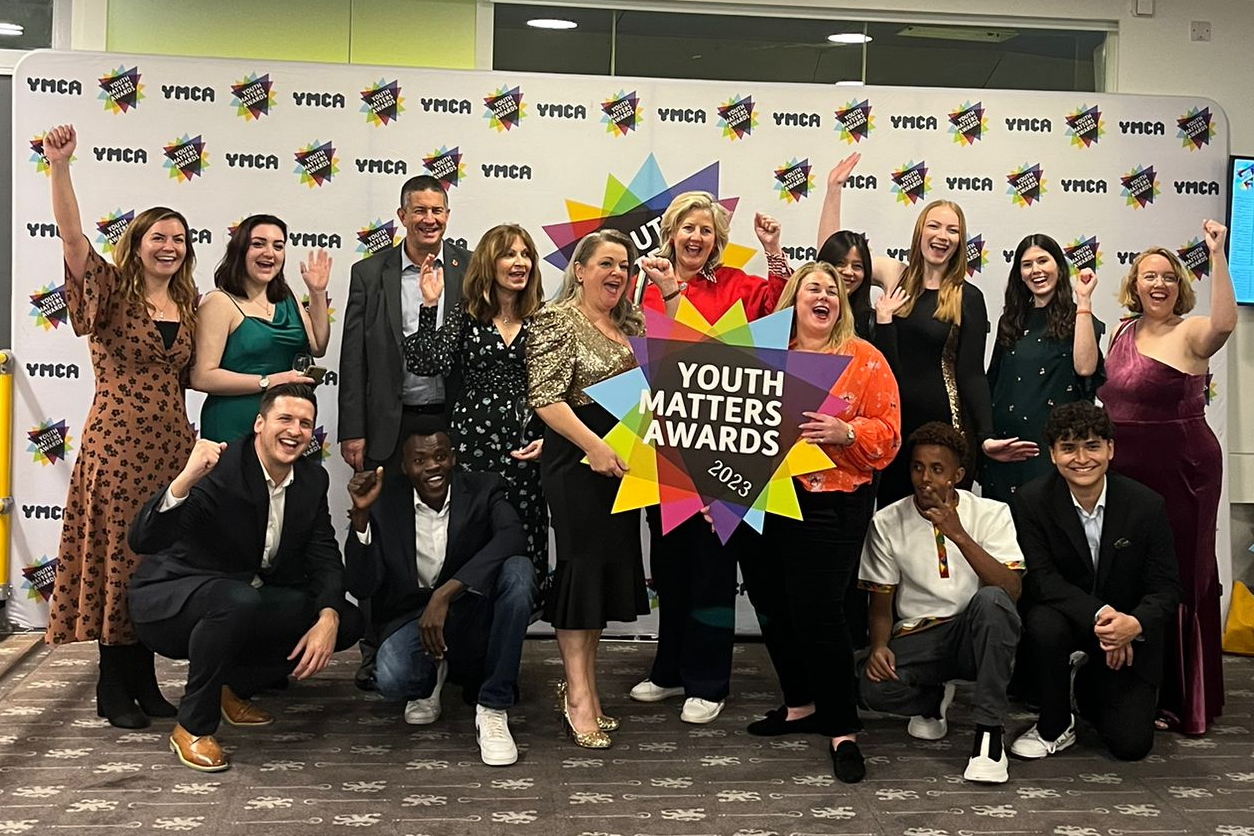
    We were truly inspired at the national YMCA Youth Matters Awards on Friday evening. We were delighted to be joined by our three young finalists, as well as some of our staff, trustees, partners and supporters.


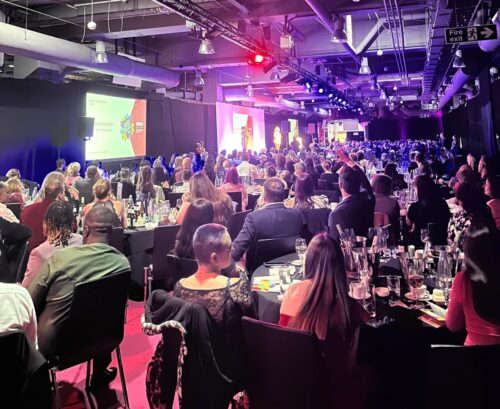
    This year’s Youth Matters Awards was a huge success, with a record high 450 attendees joining the celebration. It wasn’t just YMCAs from across England and Wales that joined us but also representatives from YMCA Netherlands, YMCA Ireland, YMCA Scotland and even the Secretary General of YMCA Europe.

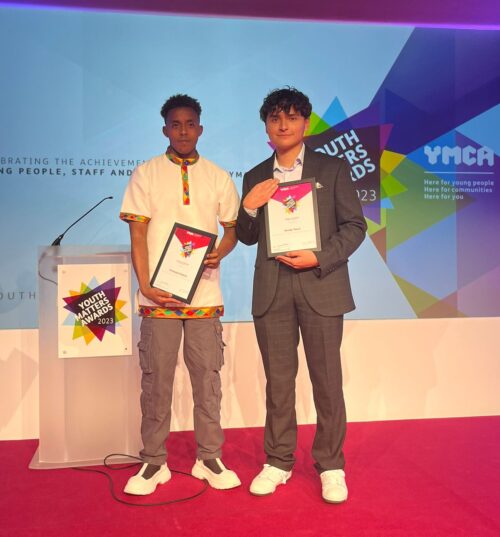
    At the Youth Matters Awards. Temesgen (left) holding his certificate on stage, wearing a traditional Ethiopian shirt and trousers. Randy (on the right) is holding his certificate smiling, wearing a blue suit.

    Throughout the evening, we were inspired by the stories of resilience, strength and determination from young people and projects within the YMCA network. The Youth Matters Awards are a platform to celebrate not only the incredible young people but also the projects and dedicated individuals who support and encourage them to thrive.

    The event was held at Chelsea Football Club and was hosted by wonderful comedian Fern Brady. The evening was filled with inspiring speeches, laughter and tears of joy. It was an opportunity to step back and reflect on the brilliance of young people and to remind ourselves that there is a lot of good in the world.

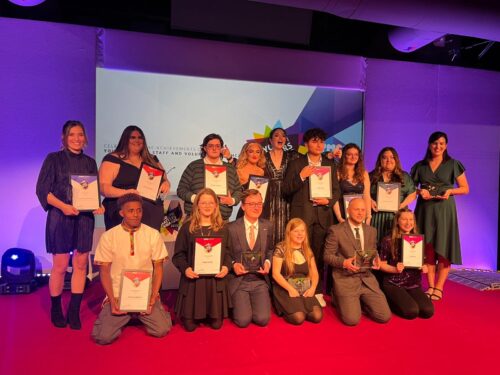
    A highlight of the evening for us was to be able to celebrate the achievements of our three finalists Randy, Temesgen and Chantal. Each of them has overcome extreme adversity to achieve things that none of them deemed possible before coming to YMCA.

    The Youth Matters Awards

    Temesgen and Randy, both residents in our supported accommodation, arrived in the UK as unaccompanied asylum-seeking children and have turned their lives around since moving into YMCA. Randy’s determination and hard work has seen him excel as a top student at college and he’s now due to attend a prestigious university next year to study physiotherapy. Temesgen has immersed himself in the local community by volunteering, cooking meals for vulnerable locals and assisting elderly community members. Our third finalist, Chantal, manages the YMCA Surrey WiSE project, providing safe spaces for highly vulnerable and at-risk young people to navigate their experiences of abuse and begin the path to healing.

    Temesgen told us,

    “I had a good night. I’m really excited to be a finalist. It’s been very interesting to be here. From now I’m going to be doing more volunteering, helping elderly people. I’m trying to help myself for the future and am doing my GCSE English and Maths as well, after that I’ll get a job and it will change my life!”

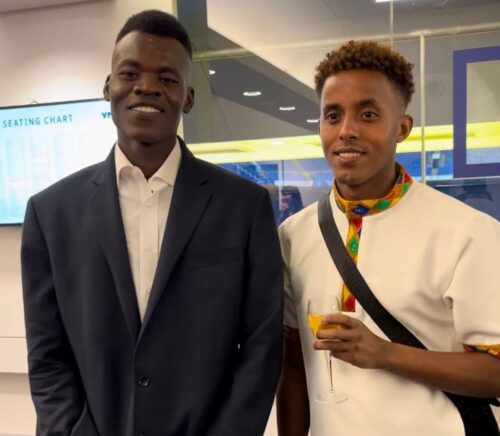
    Nader left, smiling in his blue suit. Temesgen, right, smiling holding up a glass of fizzy elderflower

    We were also delighted to be joined at the event by Nader, another young resident who lives with Randy and Temesgen. Nader was a semi-finalist for Young Leader of the Year Award but sadly missed out on a place in the finals. Testament to his kind and inclusive character, Temesgen invited Nader to join him at the event as his special guest so that he didn’t miss out!

    At the event, Nader said:

    “I’m happy to be here to support my friend Temesgen. He’s helping others, for example he’s been working with Meals for You and he helped build the shed at Guildford. He’s working a lot and working very hard. That’s why it’s so good he is a finalist.”

    Although we didn’t come away with an award, all of our young finalists and nominees are winners in our eyes!

    We want to say a huge thank you to everyone who voted for Temesgen, Randy and Chantal throughout the process. And of course, a massive congratulations to all of our Youth Matters nominees – we couldn’t be prouder! 

    The Youth Matters Awards young finalists all stood on stage together holding their certificates and awards

  • Myth busting: 5 common homelessness myths

    Myth busting: 5 common homelessness myths

    In light of the recent statement from the Home Secretary that homelessness is ‘a lifestyle choice’, we’re revisiting our myth busting blog.  There are many misconceptions about youth homelessness. Young people facing homelessness, or those at risk of it, often face stigma due to unfair stereotyping or genuine ignorance. Below, we tackle some of the most common ones.


    Myth: “Being homeless is a ‘lifestyle’ choice”

    FALSE! No one chooses to be homeless! Almost 136,000 young people faced homelessness in the UK last year and approached their local authority for help, that’s a 5% increase on the previous year and is the highest figure ever recorded. That’s 1 in 52 young people who need support because they’re either homeless or at risk of it. Young people face homelessness for many reasons, because they’re no longer able to live with their families, are fleeing domestic abuse, or are evicted as rents rise beyond their means. Whatever the reason, ‘lifestyle choice’ isn’t one of them.

    Myth: “You’re only homeless if you sleep on the streets”

    FALSE! The most common myth about homelessness is that it is rough sleeping. When we think of homelessness, we imagine people in sleeping bags, huddling in doorways, but this isn’t the whole picture. Young people are often ‘hidden homeless’, sleeping on friend’s sofas or floors, staying in hostels and b&bs, or in exploitative, sex for rent, situations. Stepping in before street homelessness prevents a young person from becoming truly vulnerable. Giving a young person a safe home, at this crucial point in their lives, can totally change their future and break the cycle of disadvantage and homelessness.  

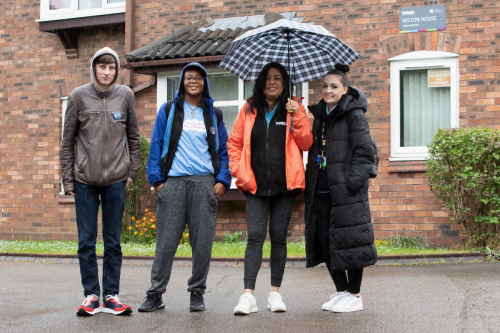
    myth busting: two young men and two members of staff smiling stood outside a building. One woman holding an umbrella

    Myth: “Putting young people in hotels solves homelessness.”  

    FALSE! Hotels are only appropriate in emergency situations. Young people facing homelessness need more than just a roof over their head. Young people do not leave home, in an unplanned way, without good reason. Given that most will have experienced some level of trauma, they need housing which includes support, advice, and guidance from caring and trained staff. A stable and supportive home enables these young people to get back into education, training or employment, and develop the life skills they’ll need to live independent lives.  

    Myth: “They’re only homeless because they’re bad kids or have chosen to be homeless.” 

    FALSE! We’ll say it again. No young person chooses to be homeless. The reasons for leaving home are often complicated, and, sometimes their behaviour is a factor, but it is never simple. The worst outcome for a young person making ‘bad’ choices is to be homeless and without support. All children and young people deserve love and care, and while some may have complex needs, being homeless can only make their situation worse. By supporting all young people at this crucial stage of their lives we can break the negative cycle they’re in. 89% of young people living with us ‘move on’ successfully to independent living.    

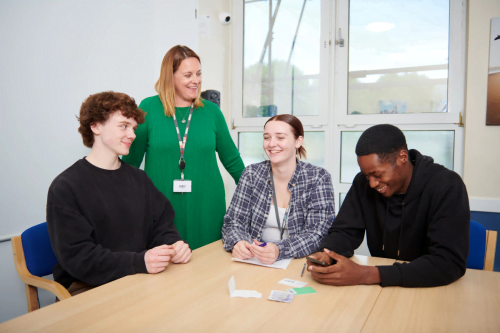
    myth busting: three young people sat around a table discussing and laughing. One member of staff in a green dress stood behind them smiling

    Myth: “People are homeless due to drink and drug problems” 

    FALSE! This is a real ‘chicken and egg’ myth. Although, some young people facing homelessness have substance misuse issues, many develop them as a consequence of facing homelessness, or, because they’ve used drink and drugs as a way of dealing with childhood trauma. There is a much stronger link between poor mental health and homelessness. In the UK, 20% of those facing homelessness are aged 16 to 24, and of those, 68% have mental health issues. Giving young people a stable and supportive home, enables them to get the emotional and mental health support they need. Improving their wellbeing is the best defence against both long term substance misuse and homelessness.  

    Why should I care?     

    Many factors, ranging from relationship breakdown to abuse, can contribute to a young person facing homelessness. Without a stable home, many will be unable to continue with education or employment. On top of this, when a young person is in crisis, they are far more vulnerable to exploitation, further abuse, or substance issues. This can become a vicious cycle leading to mental health problems, poverty, and extended homelessness.

    We work to break that cycle and provide holistic support to ensure that they can build a brighter, independent future for themselves.  

  • YMCA DownsLink Group Christmas Appeal 2023 goes live

    YMCA DownsLink Group Christmas Appeal 2023 goes live

    Do you remember Mapalo?

    This time last year Mapalo was living in our supported accommodation after being made homeless at 18.  She bravely shared her story with us (the girl with the pink suitcase – below) as part of last year’s Christmas Appeal.  She was keen to tell her story so that people could understand how finding a safe, supportive home at our YMCA had changed her life.


    Well, what a difference a year makes! This Christmas Mapalo is at university, on her way to fulfilling her dream of becoming a midwife. Read her update here:

    Quote from young person about how YMCA DownsLink Group helped change their life. Mapalo shared her story last year during our Christmas Appeal.

    Thanks to the care and support she received from our dedicated staff, alongside her own hard work and determination, Mapalo is following her dream of becoming a midwife. By supporting and donating to our Christmas Appeal you can help other young people, like Mapalo. 

    The cost-of-living crisis has put a strain on our services and we’re seeing unprecedented demand as young people, in particular, cannot afford private rents. Across the South-East, councils are seeing a 300% increase in people presenting as homeless.

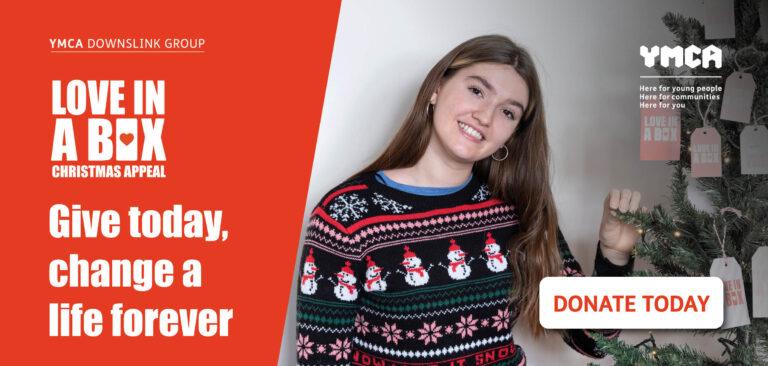
    Christmas Appeal love in a box. Young woman smiling wearing a Christmas patterned jumper touching a Christmas tree.

    Every night we provide a safe home to over 650 children and young people at risk of homelessness, some as young as 16. But, more than just a home, by stepping in at this crucial age, we give them a second chance and a future to look forward to.

    We provide wraparound support so that our residents can overcome whatever trauma and challenges they’ve faced in their young lives. Every young person has a dedicated Project Worker, who gets to know them individually, so they can get them the emotional or mental health support they might need, alongside helping them develop basic life skills (many of us with supportive families might take for granted), such as cooking, cleaning or budgeting. Most importantly, we encourage them back into education, training or employment so that they can start to imagine, and build, an independent future.

    Someone like Ben. Earlier this year, Ben got in touch with us to share how his experience at YMCA DownsLink Group changed his life.

    Ben stood outside Filfil cafe

    “I had such a difficult childhood, years of being abused as a kid. When I went to school, I was a bit all over the place, getting excluded and being in trouble a lot. My mum couldn’t cope, so she kicked me out at 15. I found myself stuck in adult accommodation. It was horrible, with walls crumbing around me and people screaming every day. It was such a scary place to be. I was in such a dark place. I couldn’t see happiness and thought there was no hope.

    But I consider myself lucky. I had two teachers who rang the hostel every day saying, “he can’t stay here, it’s horrible”.  I’m so fortunate that they kept going and I got moved into 24 hour supported accommodation with YMCA DownsLink Group. They gave me a nice home to live in and a safe space. They looked after me and helped me get a job when I was 16 as a kitchen porter. I then moved on to cheffing, working in hotels here and in France, which was incredible!

    Fifteen years on, I’m a qualified chef, with my own home, living happily in Sussex. I am forever grateful to the YMCA and to everyone who make it possible for young people like me to move on in life.”

    If you would like to make a difference to the lives of children and young people in your community donate HERE.