Author: Debbie Watkins

  • Mental Health Awareness Week 2023

    Mental Health Awareness Week 2023

    Did you know that YMCA DownsLink Group is one of the biggest providers of wellbeing and counselling services to children and young people in Sussex? As part of Mental Health Awareness Week 2023, we want to shine a light on our wellbeing and counselling services to show the positive impact of our services, alongside our concerns about the significant rise in need for mental health support, and ways in which you can get involved.

    What is the issue?

    Children and young people are struggling with their mental health like never before. Last year, our counselling services saw more than 5,000 children, young people and families, a 62% increase on the year before. According to a large-scale NHS study (2021[1]), 1 in 6 children now have a probable mental health condition. A further study in 2022[2] revealed that 52% of 17–23 year olds said they’d experienced a deterioration in the mental health and wellbeing over the last 5 years.

    Waiting lists are already too long and they’re growing. Whilst children and young people are waiting for diagnosis and/or counselling, their symptoms can worsen, making treatment longer and more complex.

    Why are children and young people seeing such a deterioration in their mental health?

    There is no easy answer. The rise was happening pre-pandemic, perhaps fuelled by societal influences such as social media and academic pressures, but two years of major disruption to education, limited opportunities for ‘real world’ socialising or activities, coupled with significant anxiety around the health impact of Covid has contributed significantly to the escalating need. The current cost of living crisis is also having an impact.

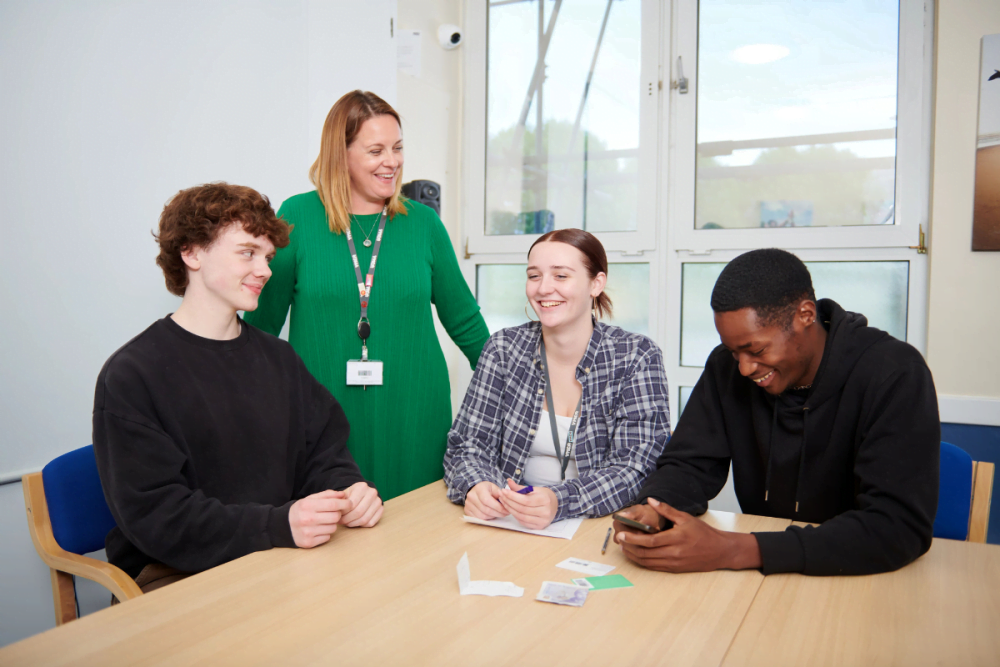
    A young person receiving mental health support

    Why are children and young people struggling to access mental health services?

    On average, local NHS commissioning groups spend less than 1% of their overall budget on children’s mental health and 14 times more on adult mental health services[3].  The first point of call is often the local Children and Adolescent Mental Health Service (CAMHS), but it is overwhelmed by demand and many children and young people may not meet their threshold.

    Many children and young people rely on counselling in schools, however these costs come from school budgets which are also under strain. In some areas, there’s very little support for children under the age of 11 who have emotional and wellbeing needs. We know families are desperate for support to intervene early with their child’s mental health, but funding isn’t there for us, or others, to provide this.

    In addition, due to the cost-of-living crisis, more families are struggling to pay for therapy services privately and are becoming more reliant on funded services like ours.

    What is the impact of waiting for mental health support?

    When a child or young person first reports an issue, or concerns are raised, it is likely that they’ve already been having symptoms for a while. Early intervention results in the best outcome for many issues such as low mood, school refusal, anxiety, eating difficulties and relationship difficulties. Their condition is likely to deteriorate whilst waiting to be seen.

    We’re seeing an escalation in the severity of children’s mental health issues across our referrals. In turn, this means more time and resources are needed to help those children and young people to get better.

    What are we doing? 

    Despite the pressures, we are working hard alongside our NHS & local authority partners to provide counselling in as many settings as possible (community, schools, online).

    Last year we provided a range of counselling services to over 5,000 children, young people and families. This was delivered through a variety of services including, counsellors in schools, community counselling, family mediation and group work.
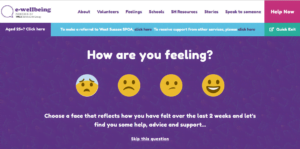
    screenshot of the e-wellbeing website home page. The main feature asks 'how are you feeling' with four faces ranges from really bad to happy. There is also options to gain advice on mental health

    In addition, our e-wellbeing digital platform was able to offer ‘self-help’ support and resources for anyone with low level mental health needs across a range of issues.

    But, we want and need to do more!

    What do we want?

    Tackling the current mental health crisis will take money. Funding needs to be allocated to both train practitioners and reduce waiting lists to ensure children and young people can be seen quickly and offered early intervention.

    Funded mental health support teams in schools are being rolled out, but it still doesn’t cover every school across Sussex. There’s a pressing need for easy, direct access, to mental health support in schools, such as counselling.

    Rather than wait for young people to require hospital care, funding needs to go into early intervention services like ours. We are well placed to tackle issues like low mood, anxiety, eating difficulties and relationship difficulties before they escalate into crisis.

    In addition, whilst for many a short intervention of therapy will be sufficient, those children and young people who have experienced trauma, or had significant childhood relationship and attachment issues, will need much longer therapeutic interventions. Currently there is little funding for this.

    What happens at 18?

    A key issue around mental health support is that once someone reaches 18, significant amounts of support, previously available to them, drops off. There can be a dangerous ‘gap’ in support and provision for someone transitioning between ‘Child’ and ‘Adult’ mental health services.

    This is a particularly challenging issue for those children and young people living in our supported accommodation, who can suddenly find themselves without professional mental health support.

    We want to see more flexibility to be able to respond to young people’s mental health needs up to the age of 25 to give them the best chances of thriving in adulthood.

    What can I do? 

    Sign up for our newsletter / Share this article with friends or family to raise awareness / Write to your local MP / Donate / Stay up to date with our campaigns by following us on social media.

    Stories of our impact
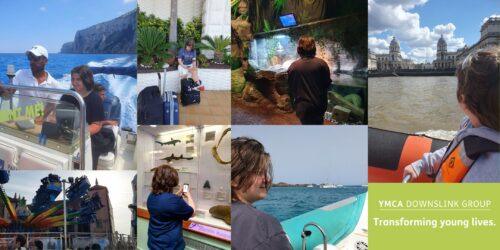
    Zach going to museums, holidays after receiving mental health support

    Find out more about how our counsellors, and the different therapy we offer, positively impacts children and young people’s lives.

    Read Mollie’s story here: Mollie struggled with anxious thoughts that were taking over her life. Once she started seeing a YMCA counsellor, everything changed.

    Read Sam’s story here: Following on from two lockdowns and starting a new school, Sam was suffering from social anxiety. After reluctantly started therapy with us, Sam settled into the sessions and his worries began to lessen.

    Find out more about YMCA Dialogue Services here

    Link to Donate page

    References & Links: 

    [1] NHS 2021 Study
    [2] NHS Digital Study 2022

    [3] Children’s Commissioner Report

  • The Songbirds singing for Chaplaincy

    The Songbirds singing for Chaplaincy

    Samantha Burton, West Sussex Chaplain, recently attended a spring concert put on by the Crawley Songbirds Choir who sang to raise funds for our Chaplaincy Service (and for Crawley Open House). She tells us more about it below:


    One of our volunteer chaplains is a member of the Songbirds Choir in Crawley and they put our chaplaincy service forward to be one of the charities that they raise money for at their concerts. The committee chose us and Crawley Open House as their two charities to support for the year.

    The choir held three concerts and I spoke briefly at the Christmas and Spring events to say in a nutshell what we do at YMCA DLG, and at Chaplaincy. I shared a story from one of the residents and I thanked everyone for their support and the Songbirds for choosing to support us this past concert year.

    The concerts were great. The choir sing a mixture of contemporary “pop” and musical songs, as well as some more “retro” songs. They sing to live music – piano, drums, guitar and more, as appropriate, as well as some acapella singing which had a real spine-tingling effect!

    The spring concert alone raised about £800 to be split between the 2 causes. We will have the final amount in the coming months and of course will let you all know.

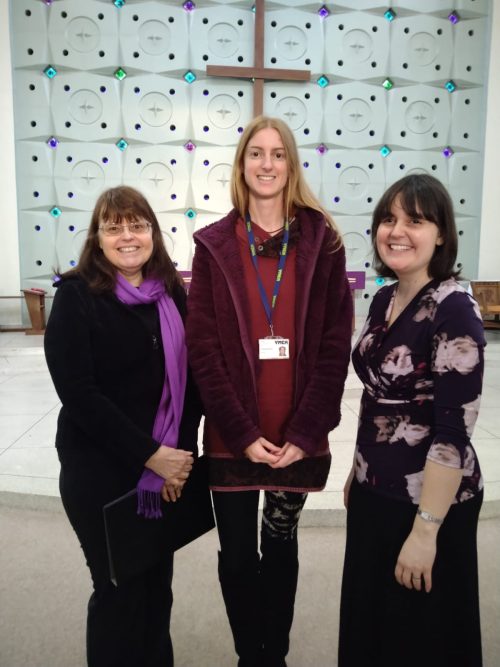
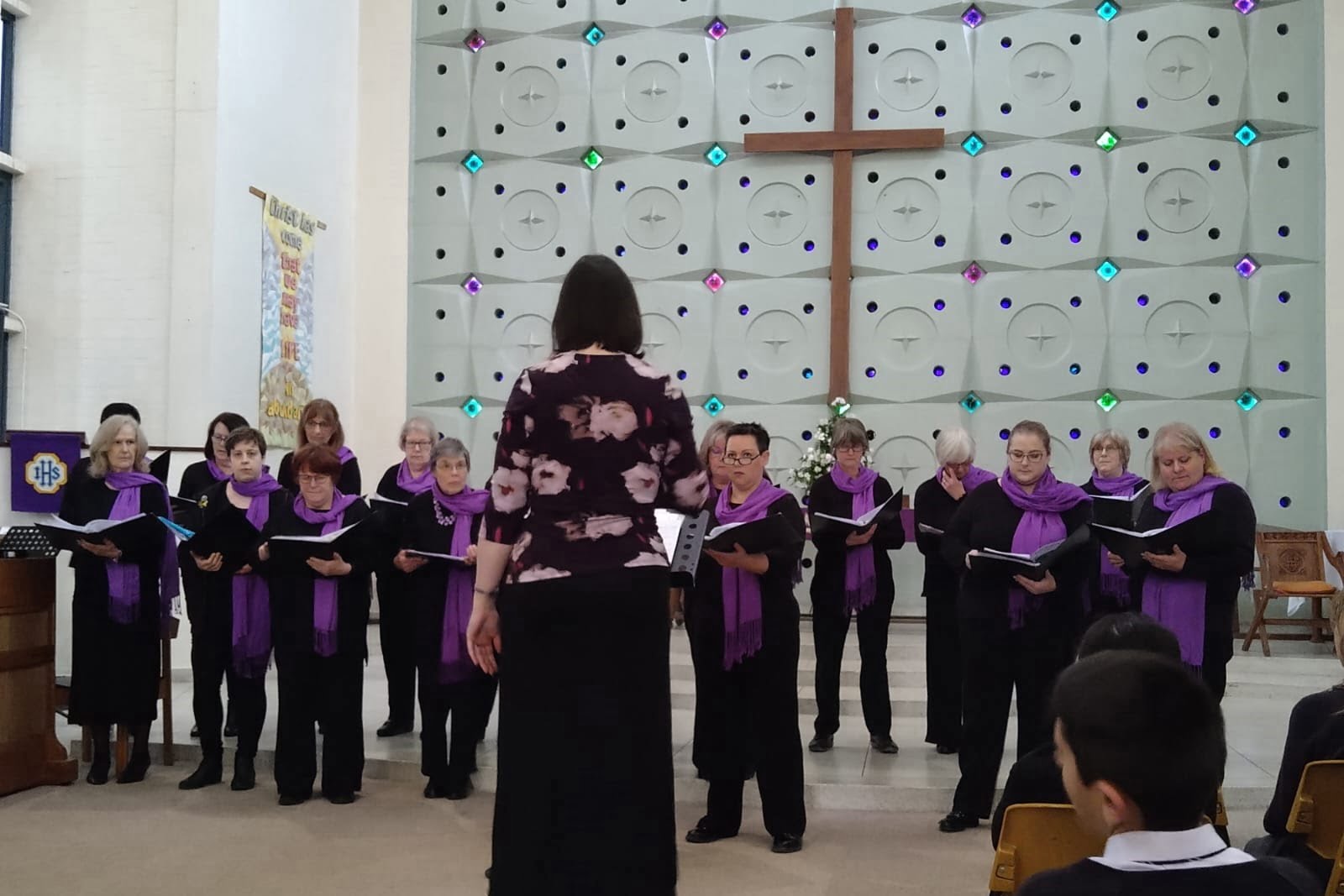
    songbirds choir: three women standing smiling in a church.
    L-R: Denise is part of the Choir’s Committee and in charge of social outreach, Samantha is our YMCA DLG Chaplain, and Jo is the Choir’s Conductor/Musical Director.
  • YMCA YAC’s Joshana wins Room for Young People Award!

    YMCA YAC’s Joshana wins Room for Young People Award!

    Last week YMCA England & Wales launched their annual report into the funding of youth services in each local authority. It showed a 73% decline in spending on youth services in the last 11 years (read more here) and highlighted the need for projects such as our amazing YAC Food Market led by Joshana Pemberton who recently won a well deserved award.

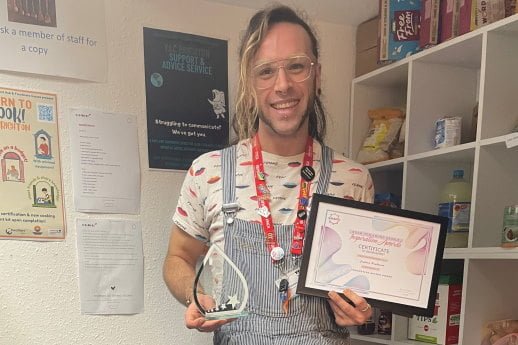
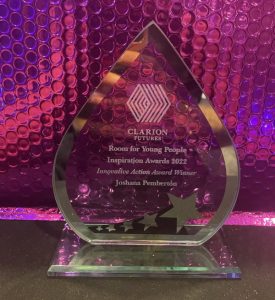
    We are really proud that at the recent national Room for Young People Awards, Joshana Pemberton (they/them) was the winner of the Innovative Action category for their amazing work with YMCA YAC Brighton Food Market. Well done Joshana! 

    Joshana attended the awards ceremony earlier this month in Birmingham and tells us all about it below.

    The Room for Young People Awards were set up to recognise examples of young people, practitioners and services using their strengths and talents to overcome barriers and challenges and look to the future as well as recognise, promote and celebrate their brilliant work.

    Glass diamond shape award for Joshana's work at YAC food market

    It was amazing to be nominated by Hyde Housing for the Innovative Action Award and attend the awards ceremony. This particular award recognises individuals who have demonstrated creativity and forward thinking to involve young people, showcasing an exciting way for young people to express their power and voice, inspiring others through positive action.

    The event was a great opportunity to meet young people, workers and learn about other services from all over the country, who show selfless determination to support their communities, the young people they work with, and inspirational young people who have overcome significant barriers throughout their lives and have achieved great things.

    It was a humbling and enriching event enabling the sharing of ideas, positivity, and talent of young people from all over the country. The level of intersectionality in the room shows the progress organisations are making to create an equitable and welcoming space.

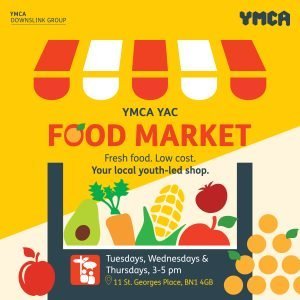
    Winning the Innovative Action Award for setting up the YAC Food Market means a huge amount to me. I feel so proud of what the Food Market has achieved, the amount of young people we have been able to support, and the work myself and my team have put into it. Special shout out to Jo & Almu for their unwavering support, kindness, and work. Our greatest source of happiness is watching young people walk out the door with bags of shopping and seeing them come back week after week, sharing their experiences, and gratitude.YAC Food market yellow poster with cartoon vegetables

    YAC Food Market is a Youth-Led sustainable social grocery store in Brighton and Hove, supporting young people in accessing healthy, low-cost foods and shopping products at a simple one-stop shop – an easy way for young people who struggle to afford the rising cost of goods in a modern and sustainable approach to food waste and food poverty. The Food Market is keen to empower young people throughout the project, seeking volunteers, feedback, and inspiration for how YAC Food Market can reflect the needs of our community.  We are not a foodbank; our ethos is to support young people with food for free / low-cost and in a positive and empowering way.

    Finally, thank you to Connie from Hyde Housing, who nominated me for the award, for her support and recognition of the potential of the Food Market and for helping us to build it to the project it is today.


    To find out more about the brilliant work of of our Brighton Youth Advice Centre, visit our web page here.

  • Become a Room Sponsor and change a life. Forever

    Become a Room Sponsor and change a life. Forever

    Why should you become a Room Sponsor with YMCA DownsLink Group?

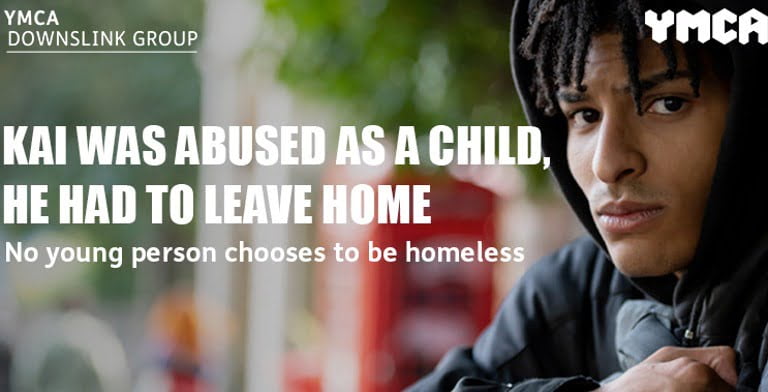
    Can you imagine what it would have been like to navigate your teenage years without a supportive family? Or, worse, that your home wasn’t a safe place to be? There are many reasons that young people become homeless, but it is never their choice.

    By sponsoring a room you help us give a vulnerable young person a home. But, more than that, you help us give them back faith in their future, and, put them on a path to independence.

    Donate banner

    Every night we provide a safe and stable place to live for 763 young people across Sussex and Surrey

    Room Sponsor YMCA DownsLink Group
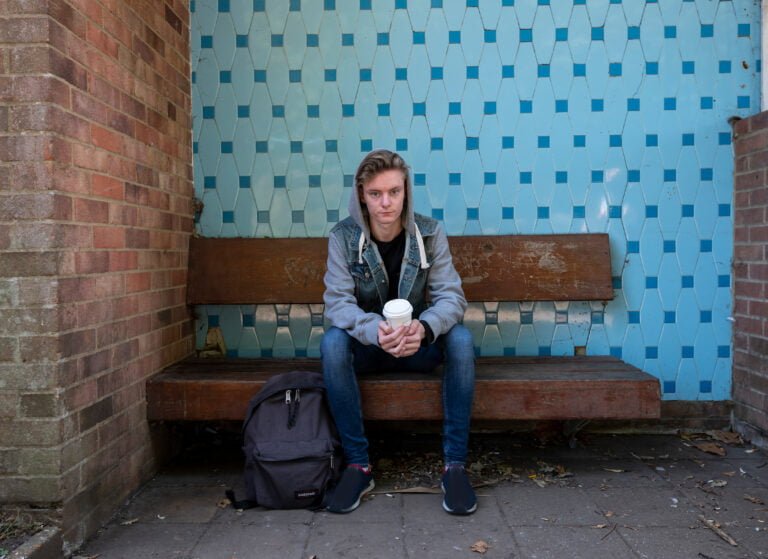
    Transforming young lives – BEFORE
    Room Sponsor YMCA DownsLink Group
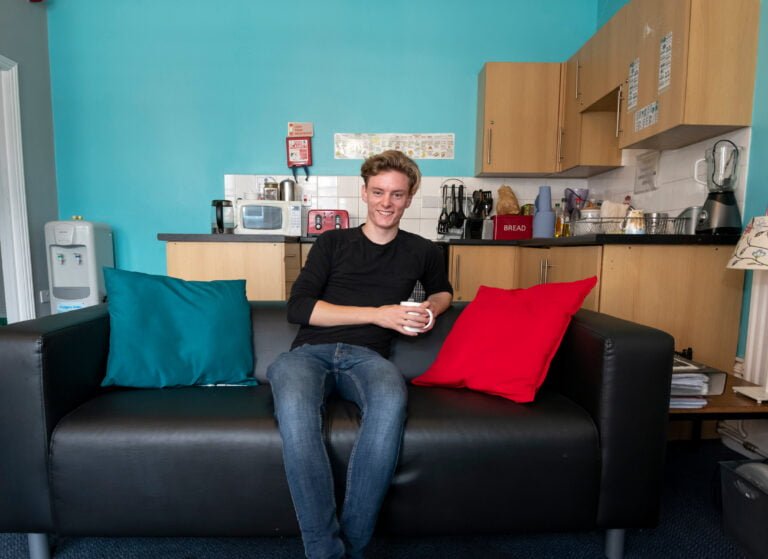
    Transforming young lives – AFTER

    The pressure caused by the Covid-19 pandemic, including an increase in family breakdown, a significant rise in poor mental health, and job insecurity, means we need your help more than ever.

    By giving £12 a month (40p per day), you will help us:

    • Provide safety for a homeless young person by giving them a safe, warm place to call home
    • End their isolation by welcoming them into our family environment and encouraging them to build trusting relationships with our dedicated project support workers
    • Support young people with health and wellbeing as well as practical advice
    • Teach young people basic life skills, such as budgeting and cooking, to enable them to move towards independence
    • Encourage them to get back into education or work
    • End the cycle of poverty and disadvantage

    Help a Homeless Young Person in Your Community

    Although we work across Sussex and Surrey you can choose to support a young person close to you, in your community.

    Become a Room Sponsor in: Brighton & Hove, Eastbourne, Crawley, Guildford, Hastings, Horsham, Worthing, or, you can let us use it where it is needed most.

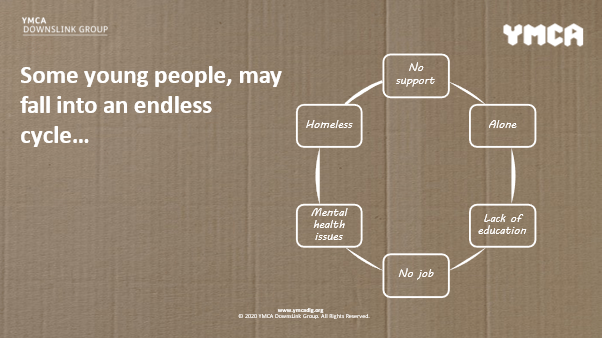
    Room Sponsor and break cycle of poverty and disadvantage
    Become a Room Sponsor to help us break the cycle of poverty and disadvantage

    Will £12 a month really make a difference?

    Yes it will!

    The true cost of a room and the additional support service which we offer to residents in YMCA DownsLink Group accommodation is more than £12 a month.

    £12 is an amount we feel that our supporters might be able to afford and is based on the basic additional monthly cost of providing essential support services for each young person living in our accommodation, which we call ‘More than a Room’ & ‘Passport to Independence’. These programmes aim to give young people, the confidence, skills, and support to move on to independent living and out of the trap of homelessness.

    By having a community of committed supporters giving to us monthly, we are able to plan better and do more to change the lives of vulnerable young people in Surrey and Sussex. Room sponsors will help us break the cycle of poverty and disadvantage that can lead to long-term homelessness.

    All fundraised money from Room Sponsorship goes towards supporting young people in our housing projects. (For more information see our FAQs on Room Sponsorship)

    79% of the young people living with us, move on positively.

    The impact of Covid-19 on vulnerable young people and those at risk of homelessness

    Homelessness, poor mental health, family breakdown and unemployment/financial issues have always been factors impacting the lives of the vulnerable young people in our communities.  Covid-19 has hugely exacerbated these issues.  After an initial 61% increase in presentations of homelessness, we are now seeing a continued 20% increase in the numbers of young people who are reaching out for support, as well as an increase in the complexity of issues they are presenting to us.

    Right now, young people are coming to us with an increased threat of homelessness as relationships at home break down.  Those already in contact with us or living with us are experiencing heightened feelings of isolation, anxiety and fear. Between April 2020 and April 2021, our safeguarding alerts were up 54% on the previous year and in the last quarter, suicidal ideation (thinking about suicide) accounted for almost 70% of them. As one resident put it:

    YMCA resident:
    “young people can see no hope”


    They need our help now, more than ever, so that we can help them see the possibility of a safe and positive future and support them in their journey to get there. Will you help us, help them?

    The rise of youth homelessness in Sussex and Surrey

    When it comes to youth homelessness, the statistics* speak for themselves:

    • It is estimated that 20% of homeless people are aged 16 to 24.
    • Approximately 40% of 16-25 year olds in the UK have sofa-surfed at some point due to having nowhere to live.
    • One in ten young people who have sofa-surfed did so for more than a month in total.

    We know that rough sleeping is a significant challenge in our area, with some of the highest numbers for rough sleeping outside of London. Significant changes to housing benefit, alongside the staggering rise in house prices and rents, means homes, particularly in the South East, are increasingly unaffordable. Since the start of the pandemic, job losses have particularly affected young people who are more likely to be in insecure employment or working in the gig economy.

    In addition, many of the young people sleeping rough in our area have multiple and compound needs. This means that they may experience several overlapping problems at the same time, such as mental ill health, homelessness, drug and alcohol addiction, exploitation, offending and family breakdown. This group of people require greater levels of support to find a route off the streets and can struggle to engage with the services they need to get help.

    As well as the homeless young people we see on the streets, there are also those we don’t see – the hidden homeless.  These are the young people who are sofa-surfing or finding temporary accommodation with family and friends, and therefore not present in the statistics shared around homelessness.  Some stay with strangers and may be exploited, having to exchange sex for somewhere to stay.

    Care leavers are at a higher risk of youth homelessness

    A group of young people who are particularly at risk of homelessness are care leavers. They often have little choice but to deal with the challenges and responsibilities of living independently at a young age. For some, traumatic experiences in their early years can make them especially vulnerable. Almost 30% of the young people living in our supported housing fall into this category. We provide a vital stepping stone for those young people who aren’t ready to live alone. As well as a safe place to live, our ‘More Than a Room’ & ‘Passport to Independence’ programmes aim to develop ‘resilience’ in our young residents, so, however difficult their start in life, they can go on and live successful, independent lives.

    “Just walking through the doors of the YMCA and seeing the staff and the residents and having banter with them and talking to them. It’s just like having a home away from home and having a sense of family. I think you can’t really put a price on that…”

    LGBTQU+ young people disproportionately affected by homelessness

    LGBTQU+ young people are also at more risk of homelessness than the general population.  A study by youth charity AKT found that more than half of LGBTQU+ people who have been made homeless have been discriminated against or harassed by people who should be caring for them. The charity surveyed 161 people who have experienced homelessness between the ages of 16 and 25, and half who answered said they had feared expressing their LGBTQU+ identity to family would lead to them being evicted.  Almost two thirds (61%) of LGBTQU+ people who had become homeless had first felt frightened or threatened by family. Sadly, this research is something we see on a daily basis. We work hard to ensure that we create a safe and welcoming space for LGBTQU+ young people throughout our services and our commitment has been recognised by being awarded The Allsorts Safer Spaces Award. 

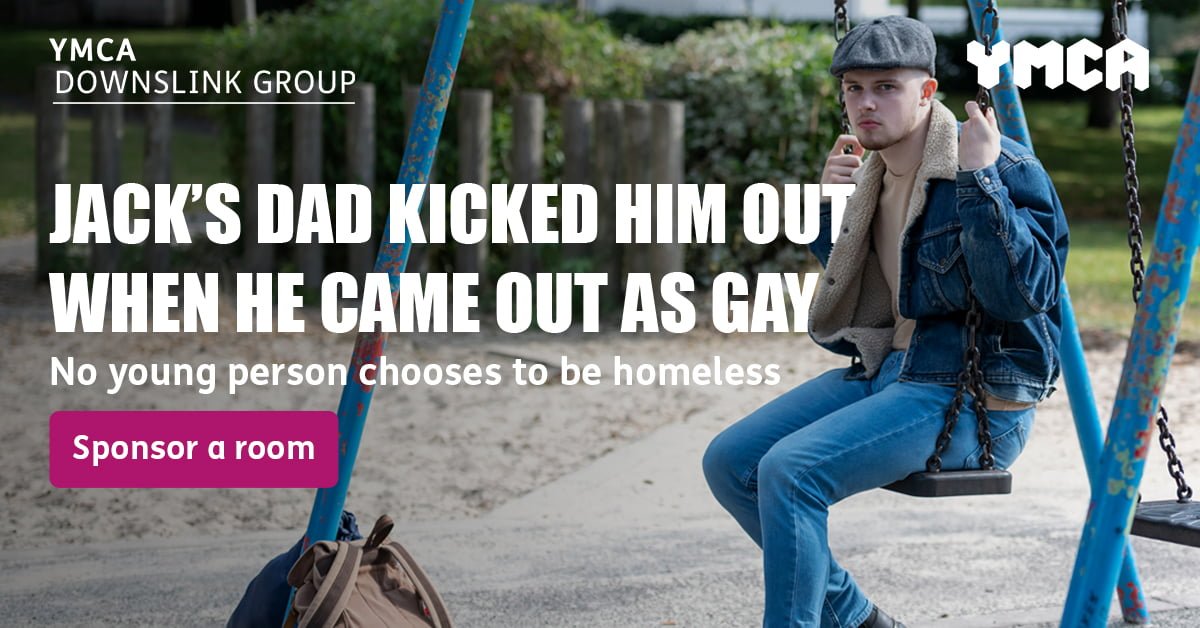
    Read Jack’s story


    Donate banner

    *Statistics have been taken from Centrepoint’s databank

  • Youth work matters!

    Youth work matters!

    As YMCA England and Wales’s report, Generation Cut, reveals a 73% decline in spending by local authorities for youth services, due to pressures on their central budgets, we speak to two passionate youth workers who share their personal experiences of how youth workers changed and inspired their lives.

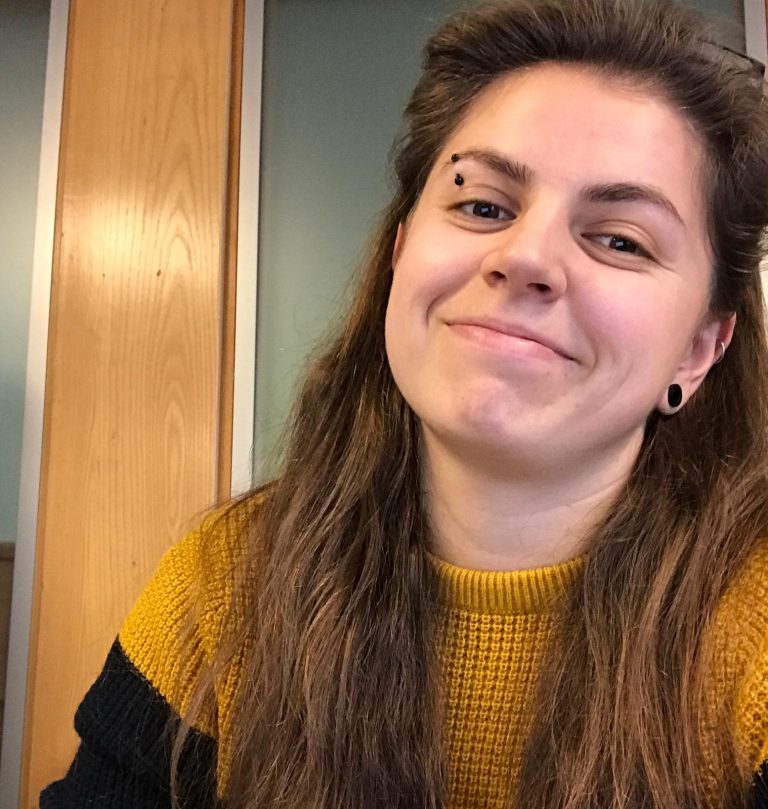
    Eli Adie runs our Youth and Advice Service (YAC) in Crawley. She’s very open about the difficulties she faced in her childhood and adolescence. Youth workers changed her life and inspired her career:

    “I was incredibly lucky to have access to a range of great youth work projects in my youth – all of which have contributed to making me the youth worker that I am today. In primary school I was an excitable bundle of energy, but really struggled to make friends easily and family life was complicated. By my early teenage years, I was really struggling with my mental health and didn’t want to be around anymore. It wasn’t until I moved away from home and got to university that I accessed formal mental health support. Throughout my early years, it was youth work that kept me going. I went to early morning club, after school club and Scouts – anything they could do to get me out of the house. Holiday clubs in the school breaks, sports clubs and arts projects – youth clubs were the one place I truly just got to be a kid and avoid what was going on at home.

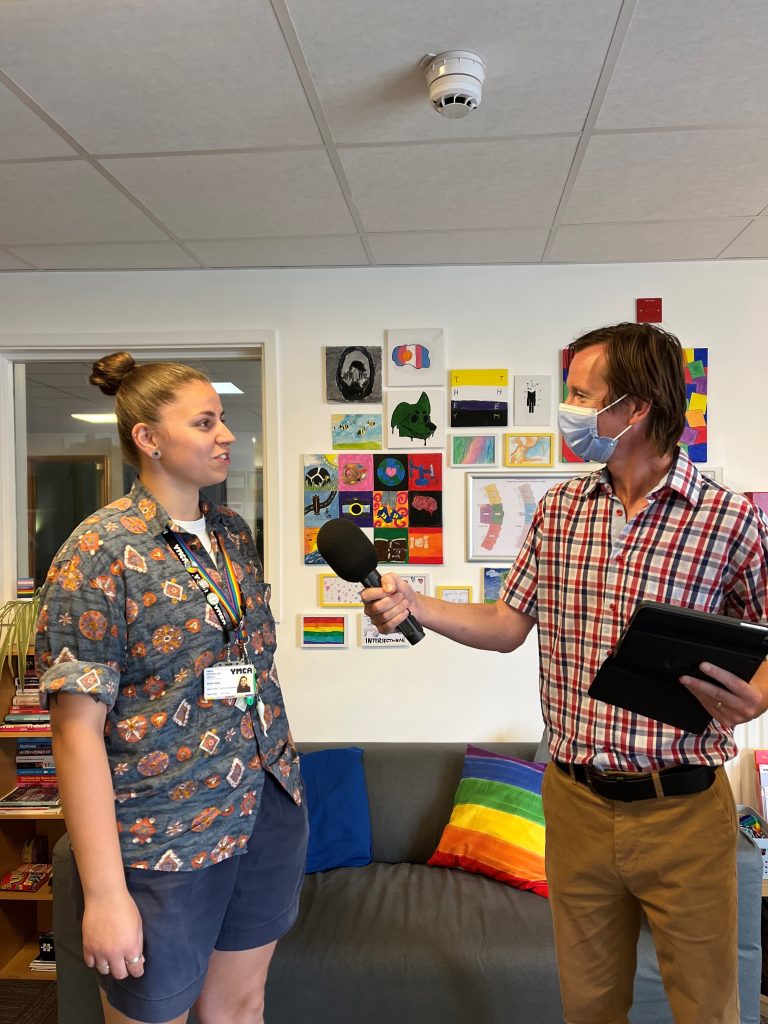
    Eli Adi, youth worker, is interviewed by a man holding a microphone
    Eli Adie being interviewed by BBC Radio Sussex after being nominated for a ‘BBC Make the Difference Award’ for her youth work

    I remember Alison from my after-school club, who would make me pancakes after school with cheap chocolate spread. And Mark, who taught me to ride a bike. And then a unicycle. I remember Saskia, who ignited my love for music with drums and guitars. I remember Skip, Jo, Ben and Andy, my Scout Leaders, who provided me with countless opportunities to have fun, build my skills, understand the true value of volunteering and become a young leader. I remember Dr. Durkin, the only teacher to pull me aside at school and ask me if I was okay, rather than tell me off for misbehaving.  I remember Ian, my band mentor at Rhythmix who gave me the space to play music with my friends, who encouraged us to take risks, push ourselves and experience the joy of performing. I remember Andre, my line manager in my first full-time job, who not only helped me progress into the professional I am today but supported me through a time when I was just learning how to manage my mental health as a working adult. Not all of these people would call themselves ‘youth workers’, but they all had an enormous impact on me before I turned 25 – and so I challenge anyone who works with young people to consider that they are a youth worker and they have an amazing opportunity to positively influence someone’s life.

    I am the person and the youth worker I am today, because of all these people. Whilst the impact they had was great, their actions were simple. They built trusting relationships with me, saw me for who I truly was and encouraged me to be my true authentic self. This is the power of youth work – it’s a fundamental part of a healthy society – and a crucial safety net for so many young people. There will always be young people, so we will always need youth work. We can’t let it die out – so we have to address this funding crisis.”

    We also heard from Gary Crowhurst who runs our youth clubs in Eastbourne. He explains how youth workers influenced his life, when he needed it:

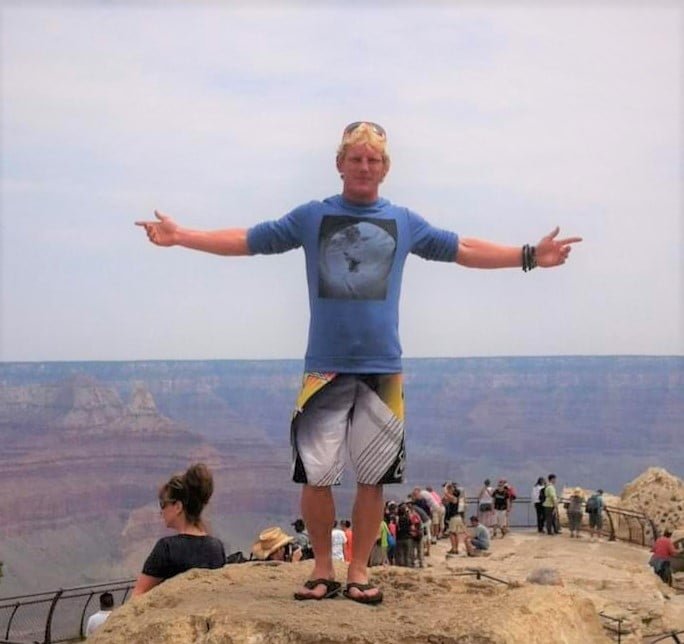
    Man, who is now youth worker, on a hill with outstretched arms“Growing up, I was no stranger to trouble. I was lost, and I didn’t know how to find my way. But then a youth worker stepped into my life, and everything changed. They believed in me, even when I didn’t believe in myself. They gave me a sense of purpose and direction, and they were always there to guide me back onto the right track. With their unwavering support and encouragement, I was able to reach my full potential and become the person I was always meant to be. I owe everything to that youth worker who changed my life forever.”
     

    Eli also gathered some quotes from children and young people who are currently using our youth services.

    My worker is incredibly important to me because I simply wouldn’t be able to function without her help. I’ve learned day to day skills that I can carry forward when I move on from YMCA housing and it’s been an incredible help to my self-confidence.

    My worker makes me feel understood and listened to, and she does not talk down on me for not knowing certain things that other people might take for granted. Because of her, I have gained a lot of confidence in myself that I didn’t have when I started attending the YMCA.

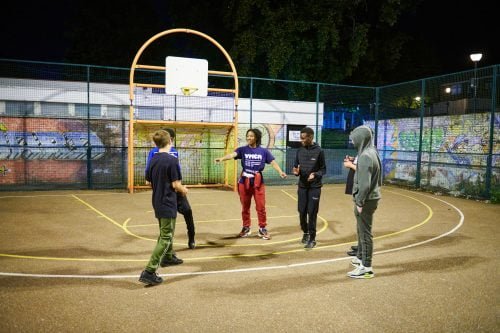
    youth worker on a basketball court with a group of young boys smiling and talkingYouth work is often misunderstood and undervalued. Youth work can happen anywhere and comes in lots of different guises, from after school clubs, sports activities and youth centres to specialist youth workers and advice services. In the past, these places have provided a much needed ‘safety net’ for children and young people and given them a safe and supportive space to connect with peers, engage in positive activities, and access support from trusted adults.
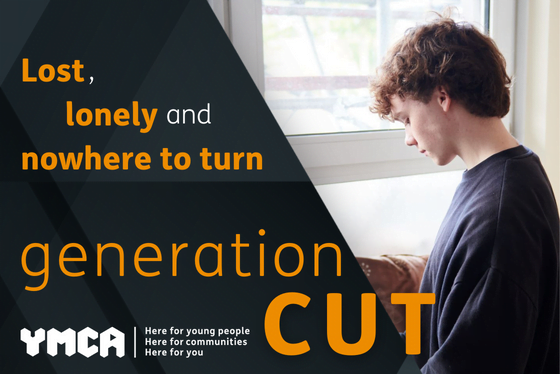
    That is why we are so concerned about the figures that have been released by YMCA England and Wales. As an organisation we are only too aware of the lack of funding for these services. Although we’ve managed to maintain some essential youth services, such as our Youth Advice Centres in Brighton and Crawley, financial pressures have forced the scaling back or closure of some key projects tackling pressing issues, such as county lines drug dealing.  In our region, West Sussex, which includes Crawley and Horsham, is in the bottom 50% across England for spending on youth work, equating to a 68% real terms cut.

    To read the full YMCA England & Wales report click here and to find out how youth services have been affected in your local authority use their interactive map.


  • YMCA report 73% decline in spending on youth services in last 11 years

    YMCA report 73% decline in spending on youth services in last 11 years

    This generation of young people has not had it easy. A global pandemic, a cost of living crisis and today, YMCA England and Wales launch their report, Generation Cut, which reveals the devastating cuts to vital youth services.

    What is the issue?
    Since 2010, there’s been a 73% overall decline in spending by local authorities on youth services (in our region, our worst impacted areas are Brighton and West Sussex with a 68% reduction in funding). This is a £1 billion real terms cut, resulting in the closure of thousands of youth clubs, support & advice centres, and the loss of crucial youth workers.

    How has that affected young people?
    Youth services provide a safe space for children and young people to go where they can connect with peers, engage in positive activities, and access support from trusted adults. Cutting funding has made it almost impossible for organisations, like YMCA, to provide these services. Youth Services are often a ‘safety net’ for young people and without them issues may go unaddressed leading to long-term consequences.

    What are we doing? 
    Despite the difficult funding conditions, we continue to work closely with our local authority partners and other funders to maintain our essential youth services, such as our Youth Advice Centres in Brighton and Crawley. However, securing ongoing funding is a constant challenge and sadly we’ve had to scale back or close some key projects, tackling pressing issues, such as knife crime and county lines drug dealing.

    What do we want? 
    Alongside other YMCAs we want the government to prioritise children and young people to safeguard their future and improve their life chances. We are calling for:

    1. Sustained revenue for all young people all year round
    2. A clearer statutory duty on local authorities to deliver youth services
    3. A Strategic vision for young people

    What can I do? 
    Sign up for our newsletter / Share this article with friends or family to raise awareness / Write to your local MP / Stay up to date with our campaigns by following us on social media.

    Personal stories

    Our frontline staff are passionate about supporting young people and many have been inspired by their own experience of a youth worker who helped them when they needed it most. Click below to read the personal stories of two of our committed youth workers.

    Eli and Gary’s stories: CLICK HERE

    Picture of young woman smiling. She speaks about youth servicesMan on a hill with outstretched arms He speaks about youth services

    To read the full YMCA England & Wales report click here and to find out how youth services have been affected in your local authority use their interactive map.