Author: Debbie Watkins

  • Suicide Prevention Awareness Day 2021: 54% increase in suicidal ideation across youth services

    Suicide Prevention Awareness Day 2021: 54% increase in suicidal ideation across youth services

    Suicide Prevention Awareness Day 2021

    [TW: This article discusses the rise in serious mental health issues, self-harm and suicidal thoughts amongst children and young people. It may be triggering for some people].

    *If you need immediate support please click here or scroll to the bottom to find details of organisations who can help*

    Suicide Prevention Awareness Day 2021 on 10th September is an opportunity for organisations around the world to get together to raise awareness of suicide prevention. As a charity supporting children and young people one of the most concerning and challenging trends is a consistent increase in serious safeguarding alerts related to mental health issues, with self-harm and suicidal ideation* (or suicidal thoughts) being the most common.

    Between April 2020 and April 2021, our safeguarding alerts were up 54% on the previous year and in the last quarter, suicidal ideation accounted for almost 70% of them. The pandemic itself had a significant impact on children and young people’s mental health, but the end of lockdown has illuminated the full scale of the crisis.

    This scale of increase is being seen across all of our children and young peoples’ services; from our supported housing projects to our counselling services and youth advice centres (YAC). Our school and community counselling service are seeing an increase in referrals of school-age children of almost a third, compared to the previous two years. The pressure isn’t only felt by us, but is a system-wide issue. In practice, it means that the threshold for services continues to rise, so that only the most ‘serious’ cases are being seen. Huge numbers of children and young people, under severe mental stress, are waiting for a long time to be seen, which in turn, increases the likelihood of self-harm, suicidal ideation or even, suicide attempts.

    Young people in supported housing impacted by increasingly severe mental health issues

    In our supported housing projects, we’re seeing increasing levels of emotional distress in our residents. Dealing with low-level mental health issues (such as low-level anxiety or depression) has always been part of the remit of our Project Support Workers, but we’re seeing a huge increase in serious mental health presentations. As one resident put it, ‘young people can see no hope.’ As with the situation in our counselling services, because the wider mental health system is under severe pressure, it’s increasingly difficult to access the specialist services that a growing number of our young people need. This in turn puts strain on our Project Support Workers who are ‘holding’ the risk for these young people without being able to give them the specific therapeutic support needed.

    Rise of eating disorders

    Another worrying trend is the steady increase in reports of eating disorders. Often eating disorders are an indicator of low self-esteem and of needing to feel in control. Again, the threshold to access specialist services in this area is extremely high (related to dangerous weight loss) so that young people beginning to suffer are unable to get specialist help until the situation is at crisis level.  Within our supported housing, this is another issue Project Support Workers, without specialist training, are having to deal with.

    Family breakdown main cause of youth homelessness during Covid

    In our Youth Advice Centres, the number of young people presenting as homeless continues to rise. Covid continues to contribute to the breakdown of family relationships due to mental health, drug and alcohol use and domestic violence.  However, in addition, our Youth Advice Workers are reporting many more concerns around the deteriorating mental health of young people needing help, namely increased levels of self-harm, suicidal ideation and mental health diagnoses.

    As an organisation, we are doing all we can to address this crisis. However, there is no easy answer. Fundamentally, all mental health services need more government funding. We’re working closely with all of our statutory and NHS partners to try and secure extra funding to recruit more specialist staff and counsellors. We’re also developing specific training around suicide prevention for front-line staff and will be rolling this out across the organisation.

    In addition, we’re investing in digital wellbeing services, such as www.e-wellbeing.co.uk so that young people can find mental health support and advice online. We are also piloting groups for parents/carers specifically around ways to cope with a child or young person who is self-harming, as this is such a distressing and increasingly prevalent issue.  The current crisis is also creating a shortage of qualified mental health professionals, and we are actively recruiting more counsellors, CBT practitioners and psychotherapists, so if you are interested visit our jobs page.

    To find resources and advice on dealing with self-harm and suicidal ideation visit e-wellbeing HERE.

    If you have been affected by any of the issues above and need urgent support see the links below:

    Mental health helpline services available:

    YoungMinds Crisis Messenger

    • If you need urgent help text YM to 85258
    • Provides free, 24/7 crisis support across the UK if you are experiencing a mental health crisis
    • All texts are answered by trained volunteers, with support from experienced clinical supervisors
    • Texts are free from EE, O2, Vodafone, 3, Virgin Mobile, BT Mobile, GiffGaff, Tesco Mobile and Telecom Plus.

    Childline

    The Mix

    • Information, support and listening for people under 25.
    • Phone 0808 808 4994 (24 hours)
    • Get support online

    Papyrus

    Suicide prevention for under 35s. Open 9am to midnight every day of the year.

    Samaritans

    • 24-hour confidential listening and support for anyone who needs it. (Adults included.)
    • [email protected]
    • Phone 116 123 (24 hours)

    *Suicidal ideation, often called suicidal thoughts or ideas, is a broad term used to describe a range of contemplations, wishes, and preoccupations with death and suicide. There is no universally accepted consistent definition of SI, which leads to ongoing challenges for clinicians, researchers, and educators.

    Could you help us change lives with a monthly donation?

    Our projects change young lives. By donating you will enable us to continue to work with some of the most vulnerable young people in our communities. If you are able to please DONATE TODAY 
  • Sussex wide youth led report on mental health provision

    Sussex wide youth led report on mental health provision

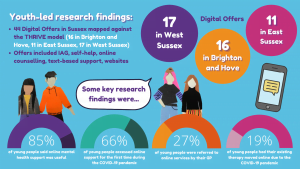
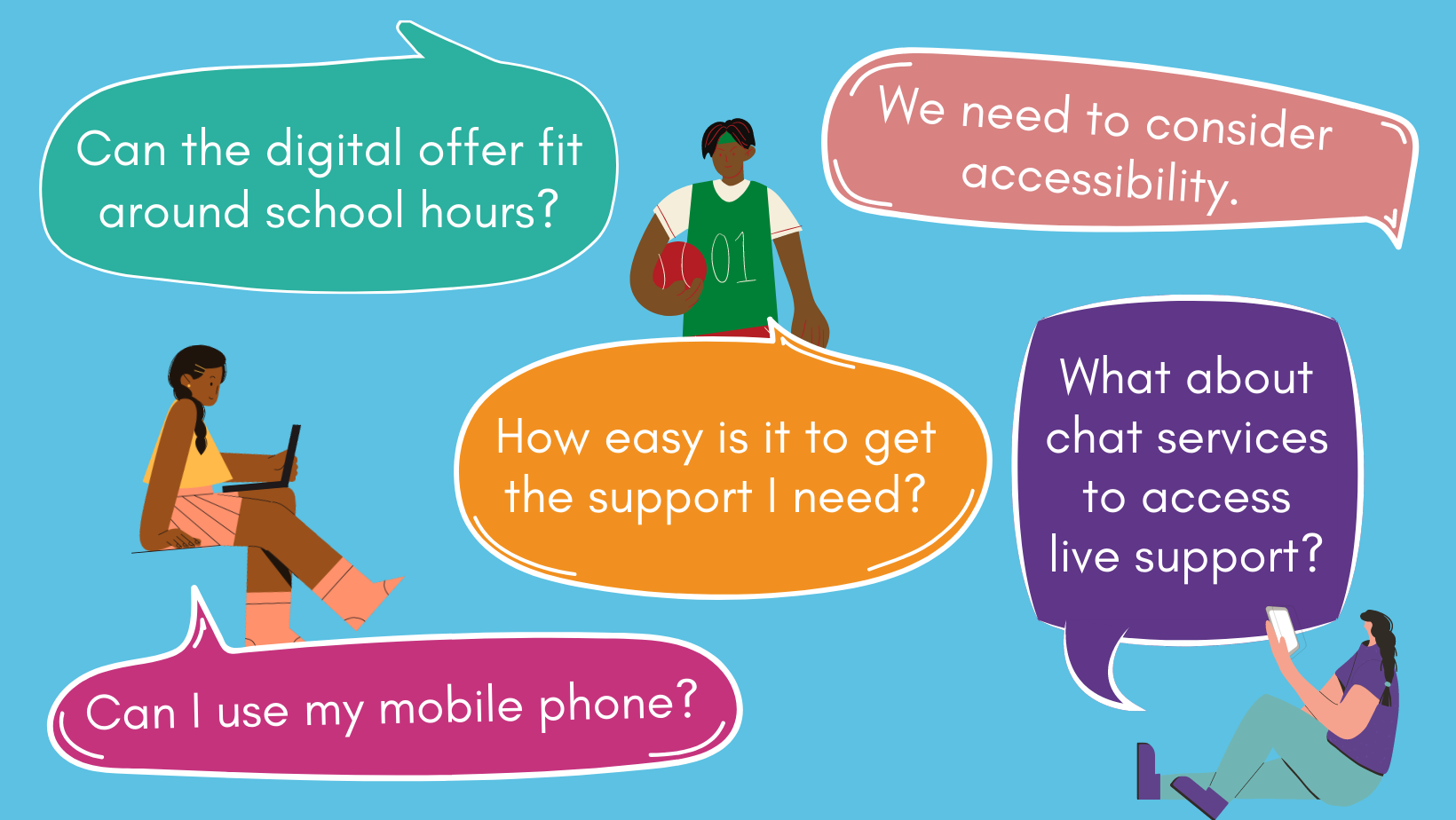
    The pandemic has exacerbated the need for easily accessible online tools and resources to support the emotional health and wellbeing of children and young people. We were delighted to be asked to partner with Kent Surrey Sussex Academic Health Science Network (KSS AHSN) to develop a youth-led, Pan-Sussex Children and Young People’s Mental Health Digital Review, funded by NHS England, which has launched today.  

    The youth led report aims to identify gaps in the digital provision of Children and Young Peoples’ (CYP) mental health and emotional wellbeing services (age up to 25) in Sussex and find out, from young people, how services could be improved. Our youth participation group for e-wellbeing (our digital mental health platform for young people) was involved in youth-led research to map out online mental health platforms in Sussex. The report also gained insights from other young people across Sussex from a range of services, including CAMHS, to explore perceptions and experiences of using digital mental health platforms.

    Key research findings include:

    • 85% said online mental health support was useful
    • 66% of young people accessed online support for the first time during the pandemic
    • 60% of young people said they would like a mixture of face-to-face and online support in the future
    • 27% were referred to online services by their GP
    • 19% had existing therapy moved online due to the pandemic
    Sussex wide youth led report on mental health provision
    Young people give their views on digital mental health provision in Sussex.

    Ensuring that youth voice is at the heart of everything we do is why we were asked to be involved. Our young people came up with their own Digital Youth Ambitions and recommendations for changes to provision of mental health services. In addition, our young people regularly met with a Children and Young Peoples’ Digital Mental Health Task & Finish Group, which included directors from Sussex Partnership NHS Foundation Trust (SPFT), Sussex NHS Commissioners, West Sussex County Council, and local community organisations.

    Speaking about the value of this report, Nicola Harvey, Digital and Engagement Lead, YMCA DownLink Group, said:

    “Our expertise lies in ensuring youth voice is always part of the process of creating mental health resources and services that actually work for young people. We are passionate about including young people in the process so that they can access the mental health services they really need, in a way that is accessible to them. Our digital platform, e-wellbeing and other, face to face digital services,  have enabled us to continue supporting young people throughout the pandemic, and we will continue to build upon our existing offers and provide accessible options, to ensure we meet the needs of as many young people as possible.”

    e-wellbeing Youth Ambassador, Phoebe,  explained what she got out of being involved:

    “I am so pleased I participated in this digital mental health review. I enjoyed attending the meetings and sharing my suggestions with senior executives from the NHS and other organisations on how they can improve services for young people.”

    Becca Randell, Implementation Lead, Kent Surrey Sussex Academic Health Science Network, said:

    “This review has enabled young people to talk about how well digital mental health services are meeting their needs and to give their view and experiences of improvements that can be made. We will work with key organisations across Sussex to ensure the digital ambitions developed by young people and the recommendations are taken forward.”  

    To read the full report here: Final Children Young People Digital Mental Health Review


  • Fruits and vegetables of the Earth

    Fruits and vegetables of the Earth

    Samantha Burton, our West Sussex Chaplain, shares a story about our amazing volunteer chaplains, YMCA Crawley staff and residents and the journey from field (ok veg patch) to fork.

    Samantha writes:

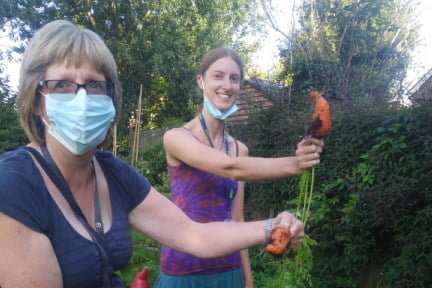
    Last week, our Chaplaincy team at Crawley Foyer were able to bring truer meaning to the term ‘homemade meal’ for the residents, as they harvested the fruits and vegetables of the Earth in the Crawley Foyer Garden for their regular Chaplaincy meal. Carrots, celery, tomatoes, lettuce, cucumber and basil all home grown by project manager, Sharon Rawcliffe, Al, and the residents of the Foyer over the past year in a labour of love, and all adding delicious, fresh flavour to the Pasta Bolognese with side salad that the residents and chaplains then enjoyed that evening. Yes, some of our residents do even enjoy salad!

    Our volunteer chaplains are back doing what they do best – cooking wonderful meals, bringing young people in our housing projects together (though in small numbers for now), and being a listening presence. Helen (pictured below) is just one who has come back for the first time since March 2020 – waiting patiently all this time, and cooking meals (and puddings) to drop off for the residents every other Tuesday – was delighted to be back, and even more delighted with the home-grown fruits, vegetables, and salad that was available, and will be available in the coming weeks, eyeing up the rhubarb in particular for a crumble on her next visit.

    Helen says:

    “It was wonderful to return to chaplaincy in person after so long. I’m looking forward to it becoming a regular opportunity for socialising around a shared meal. Something I’m sure the young people must have missed as much as we have.”

    This past year, residents, staff and volunteers alike have experienced so much isolation and disconnection, that it is so good to be able to start bringing that back, from connection to each other round a table, to our connection with the Earth. Pulling the very things we eat out from the ground to prepare and eat on our plates is a delight, and a real reminder of our connection to this world, the need for unpolluted soil, regular rain, and green space, as well as reminding us to be so incredibly grateful to those who work hard all year round to put food onto our supermarket shelves – or in this case, into our projects’ gardens! Huge thanks to Sharon and her team, Al, and the residents for making the effort to put this beautiful, productive garden in place, and for being so welcoming – and safe – for our returning volunteers. We look forward to bringing more fresh produce onto the resident’s meal plates in the weeks to come!

    Fruit and vegetables grown by staff, residents and Chaplains

    Would you like to volunteer for us?

    Click HERE to find out more about becoming a volunteer Chaplain with us. Our supported accommodation for homeless young people can be found in towns across Sussex, including: Brighton & Hove, Worthing, Hastings, Eastbourne, Crawley, Horsham, Mid-Sussex and Guildford in Surrey, so volunteering opportunities can be found in each of these locations.
    There are also opportunities to become mentors to our young people who are developing the life skills to ‘move on’ to independent living. The relationship between mentor and mentee can be a powerful one which has lasting benefits for both. Read Gary’s story to find out more.

    Supporting our work to transform the lives of vulnerable young people

    We rely on the generosity of our communities to help us transform the lives of the vulnerable young people we work with. You can help by becoming a monthly Room Sponsor or give a one-off donation which will be used on projects like this.
  • Interview with resident, young campaigner for LGBTQU+ affirming churches

    Interview with resident, young campaigner for LGBTQU+ affirming churches

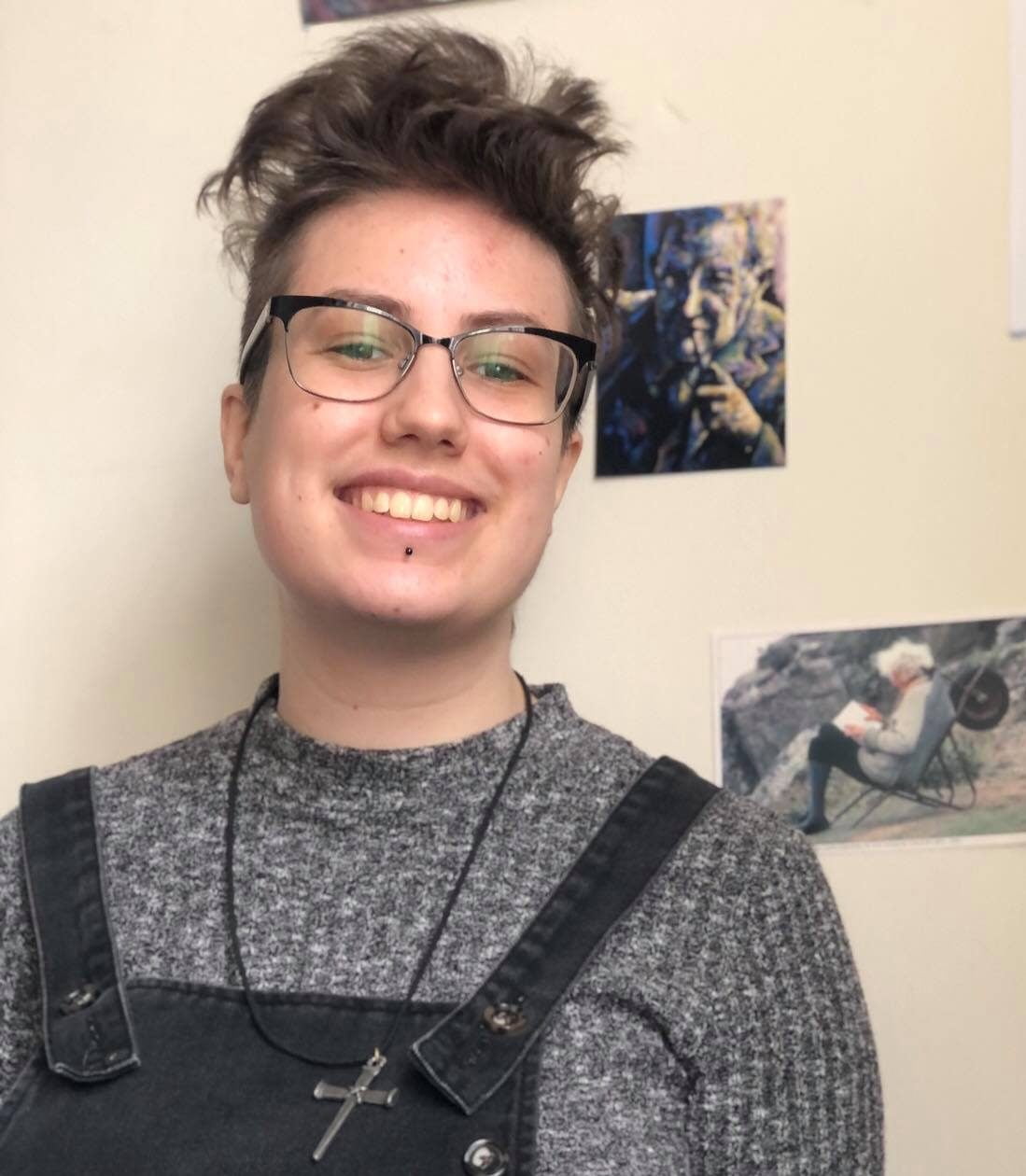
    Our Lead Chaplain, Lucy McGrath met Genevieve (they/them), a resident in our 24-hour supported accommodation, at chaplaincy meals in Brighton. Inspired by their conversations, Lucy asked to interview them about their activism and what led them to set up a project called Queer Christians Brighton. Genevieve is now a finalist for the Young Campaigner Award at the national YMCA Youth Matters Awards taking place in November 2021 and we have our fingers crossed for them! We hope you find their story inspiring.

    Can you tell me a bit about the project you are involved with?

    Queer Christians Brighton started as an Instagram page (we now also have a Facebook page) for LGBTQU+ people to find out about LGBTQU+ affirming churches. It is specifically to find out about affirming churches. Sometimes churches say they are inclusive, but this is a bit of a grey area – some LGBTQU+ affirming churches call themselves “inclusive” but so do some churches that aren’t.

    What are you looking for in an LGBTQU+ affirming church?

    It depends on the denomination – for example with the Church of England I am looking for churches which bless same sex marriages (same sex couples still cannot marry in a C of E or Catholic Church). In terms of other churches, I am looking for churches that marry same sex couples and I’m also looking at whether openly LGBTQU+ people can be in leadership positions and be in a relationship.

    What feedback have you had about Queer Christians Brighton?

    Mainly positive! I got lots of emails from people who had moved to Brighton and Hove during lockdown and were looking for a church in their new area. Sometimes I end up providing emotional support. One young person ended up joining one of the churches on the list and has become a Youth Worker there!

    Why did you set this up?

    I have become an activist mainly because I care about younger people who are LGBTQU+ and Christian. Some will be growing up in Churches where LGBTQU+ issues are not talked about. Do you know about Lizzy Lowe? (Read more HERE). I don’t want young people to have the experience she had. She took her own life at the age of 14 because she didn’t think she could reconcile her sexuality with her Christian faith. Since then her church has learned a lot and worked so hard to change and become properly inclusive.

    My own experience too has fueled my activism. When I first came to university in Brighton I came out as bisexual and joined a church which described itself as inclusive. A year in and I was going back in the closet; my experience at church chipped away at me. I particularly remember an All-Age Church service called “Life without God” where LGBTQU+ issues were talked about. I remember sitting in the pews with nowhere to go – it was horrid. By this time I was so involved with the church (they were my community) that I stayed. At the time I was in therapy and had a Christian counsellor – when I talked about my experience to her she was so affirming – I was so surprised!

    In the end I left that church and lost what felt like my whole community. I was losing it in other ways too before I left though. I have severe mental health issues and members of the church were praying for healing. I had two suicide attempts while I was part of the church. Because I wasn’t healed, I felt I wasn’t seen as “holy” enough.

    Leaving church didn’t immediately help my mental health, as I’d lost my community, so was grieving. Around this time I met a friend who’d also left the same church. They took me to an LGBTQU+ group at Metropolitan City Church; I was the only other LBGTQU+ Christian they knew. It was really good to feel affirmed!

    Throughout my whole childhood I hadn’t met any out LGBTQU+ Christians, meeting up with my friend and finding others was so helpful. I also joined a social group of mainly older LGBTQU+ Christians at St Nicholas’s church and that was helpful too!

    You are running an event for University freshers at Brighton and Sussex Universities this year – can you tell me about that?

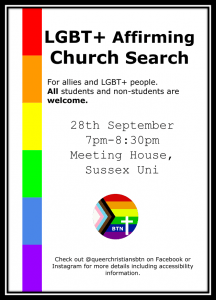
    Yes, I am doing an LGBTQU+ positive church search event for new Freshers on 28th September.

    How are you funding the costs of this event, and is anyone helping you to organise it?

    Young Campaigner LGBTQU+ affirming churches flyer
    Queer Christians Brighton flyer

    I am funding it mainly myself and through donations. The costs are the flyers and posters, and some food and drinks for the stand. Last week I bought biodegradable cups which were more expensive but I couldn’t bear to have plastic cups! I think it will cost about £130 (you can donate HERE). The University Chaplains have been very supportive in helping me organise it.


    Can you tell me a bit about your own faith and sense of God in everything that has happened to you?

    I feel like I want to get back to how it was as a teenager – my faith feels warped – so much of my church experience feels coercive and not Jesus-like. I don’t like pushing my faith onto people. My faith is about loving your neighbour. As a teenager I did a lot of petitions and social justice/charity work. Perhaps I’ve always been a young campaigner. I raised money when there was flooding in Brazil; I volunteered at a foodbank; I ran Macmillan coffee mornings and did 1-1 reading with younger kids struggling with reading. I won an award for my community work.

    For a while I had so much hatred for that church world. I felt cross with God for letting bad things happen. The question of why God allows suffering is so hard. I try to focus on Jesus; he’s great. His whole life embodies my political beliefs in the goodness of humanity and helping other people. I think it is interesting that mega churches exist when Jesus said, “sell all your possessions”. He called out religious leaders. It is interesting too to see what Jesus rebukes – it is unkindness, hypocrisy, and corruption.

    I generally don’t have much energy; I have depression, but I can feel the Holy Spirit with me doing the Queer Christians Brighton work, giving me strength.

    I do have real issues with God about my mental health. I guess I think now that God doesn’t just work through miracles but works through people and in other ways – like through therapy which has really helped me. I think God is in that and in my experience at YMCA DownsLink Group.  I love the values of the YMCA which I see are based in Christianity. Before I lived in this YMCA house, I slept on my friend’s sofa for 7 months. My friend looked after me, taking care of me, feeding me, keeping me alive (I had had three suicide attempts and a stay in a psychiatric hospital while at Uni). God was in the kindness of my friend too. My parents are homophobic, and I couldn’t go home.

    How has it been for you living in YMCA DownsLink Group supported housing?

    Great! The first year was about stabilising and feeling safe and now it is about helping me to thrive.

    Do you feel you’ve been helped to thrive?

    Yeah!!!! I’m a whole different place – I’m no longer really tired from fighting not to give in to suicide.  I think it helps that it is the staff’s job to “look after us”. That has given me permission to open up and seek support when I need it. I have also been given long-term therapy sorted by YMCA DownsLink Group. That has made a massive difference (on the NHS you only get 6 weeks – not enough for me). My keyworkers have all been amazing!

    When I was at psychiatric hospital, I felt like I was the problem – at YMCA DownsLink Group I have been treated like someone with a problem; that we are working together on my issues. Having someone checking on my mental health gives me some space and they come at things with a different perspective which  has helped me break things down into manageable bits.

    What has been your experience of chaplaincy sessions at YMCA?

    I was cautious and wary at first because of my experiences– I mainly came because of the free food. I’ve gradually warmed to it, but I always ask the volunteer chaplains to tell me what church they go to. A lot of straight and cis people don’t even think about what things are like for LGBTQU+ people of faith – I hope they’ve learned from me! It is good to know that one of the questions asked of all volunteer chaplains in interview is aimed at teasing out attitudes to LGBTQU+ issues.

    Lastly, can you tell me a little bit more about yourself?

    I’m Christian, non-binary and bisexual – a fun intersection! I’m 23 and a massive nerd. I collect comic books and watch old films…I’m an introvert!

    Support our work with young people

    If you’d like to support our work to transform the lives of young people facing homelessness DONATE  HERE. Or, if you would like to offer longer-term support, consider becoming a ROOM SPONSOR and give a vulnerable young person in your community the chance of a brighter future.

  • Former resident’s challenge for young people facing homelessness

    Former resident’s challenge for young people facing homelessness

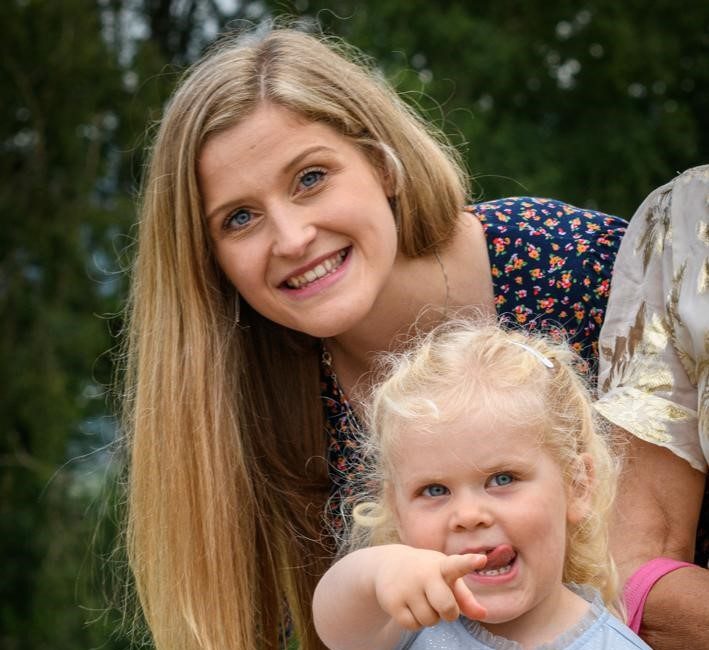
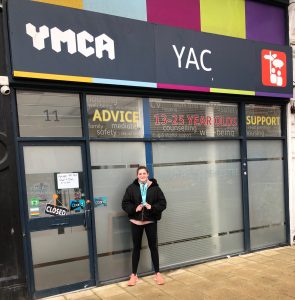
    Meet Alice. Alice moved into our 24-hour supported accommodation in Horsham when she was just 17 years old and facing homelessness. Since then, not only has she come back to work for us as a support and advice worker, but she’s been inspired to take on a Masters Degree in social work.  We gave Alice a home when she needed it and helped inspire her career, so now she wants to ‘give back’ to ensure other young people get our help when they need it.  This weekend (Saturday 17th July) Alice will be running 16 miles along the Downs Link pathway, as part of our inaugural DownsLink Challenge, to raise money for us. Read her story below. 

    Alice’s story:

    “YMCA DownsLink Group has been a ‘safe space’ for me since I was 17 years old both as a service user, then as an employee. Due to difficulties with my family situation, I found myself needing housing at 17. I was lucky enough to be given a room and a home at YMCA DownsLink Group’s Horsham Y Centre. I lived there for two years, which gave me a base and enabled me to study and work. I was also given invaluable support and advice which helped me grow.

    Former YMCA resident raising money for youth homelessness
    Former YMCA resident raising money for youth homelesness

    When I started working at YMCA DownsLink Group’s, Youth Advice Centre (YAC) Brighton in 2017, I felt so proud to be able to ‘give back’ to the organisation that supported me so much as a young person. Working at YAC I gained a considerable number of skills, knowledge, and experiences but most importantly a family – the YAC family! The people I have worked with over the years have all been inspiring and I have been fortunate enough to have such an incredible journey as an employee. Since working at YAC I also started my own family and I now have a nearly 3-year-old daughter and gained 3 bonus children with my partner Richard.

    I left YMCA DownsLink Group at the end of last year to pursue a Social Work Masters which I am now halfway through. I was inspired to do this because of two managers within the organisation who are role models to me. Now, I’m back however as a sessional housing advisor at YAC for the summer, and again, from the very first day back I had this feeling of safety and was welcomed back in the warmest way.

    I have fundraised for the charity twice before, running 10k in 2019 and then the Brighton Half Marathon in 2020. So, when I saw the YMCA Downslink Challenge advertised, I had to sign up! I know from a personal and professional perspective that work achieved across YMCA DownsLink Group changes young people’s lives and its staff work so hard to support young people in making positive changes and giving them opportunities to thrive and belong.

    I am so grateful for all the support I had as a young person and so proud to work for this organisation.”

    If you’d like to support Alice (personal JustGiving page) and our work to transform the lives of young people facing homelessness DONATE  HERE. Or, if you would like to offer longer-term support, consider becoming a ROOM SPONSOR and give a vulnerable young person in your community the chance of a brighter future.

    Youth Homelessness

    Every year we support over 10,000 children, young people and their families operating from our centres in Brighton & Hove, Eastbourne, Guildford, Mid Sussex, Hastings, Horsham, Crawley and Worthing. We are the biggest provider of youth services in the South East and work to tackle the root causes of youth homelessness. Find out more about our supported accommodation and our ‘more than a room‘ programme, which aims to put young people in crisis back on a path to independence.

  • Standing together against racism

    Standing together against racism

    Chas Walker, CEO speaks out on racism, following the England football team defeat.

    “The racial abuse targeted at young black players following the football result on Sunday was shocking. It was even more disappointing that it emerged so quickly after a campaign by an England team that ‘lived’ the values of unity, diversity and inclusion. But, maybe that is the point. Racism and other prejudices are often still there, just below the surface. So, it isn’t enough for us to simply say we stand against discrimination of any kind, we have to be active in tackling it, everyday.

    taking a stand on racism
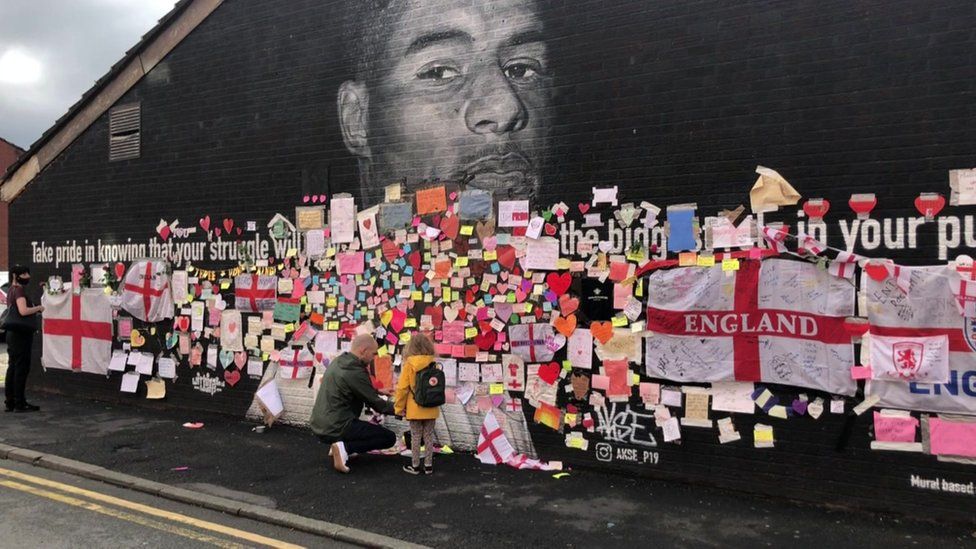
    Image of Marcus Rashford mural

    This is what the people of Manchester did. When they saw the racist graffiti defacing Marcus Rashford’s mural they went and covered it with messages of support and love. Just like taking the knee, this is not “gesture politics”, this is a genuine, simple way to fight back at the racism that has no place in our society.

    At YMCA DownsLink Group, we are committed to playing a positive role for change in the communities in which we work. Over the last six months, our Diversity & Inclusion Forum has been instrumental in refreshing our own approach to these issues. We have developed an Action Plan for the organisation and have agreed to have a specific focus, at this time, on how we can promote ethnic diversity in our YMCA and in the services we provide. At all levels within the organisation, we’ve had honest and at times uncomfortable conversations where we have acknowledged our own internal bias and our need to be better at ensuring racial equity is reflected in our management, leadership and decision-making structures.

    We are committed to taking an active stand on discrimination of all kinds whenever and wherever we see it.”

    Read Marcus Rashford’s powerful response HERE.